
Ali Bedni Bugyal Trek – Complete Guide: Route, Itinerary, Cost, Best Time, Weather, Difficulty, Safety & Packing List
Table of Contents
ToggleAli Bedni Bugyal Trek Overview
The Ali Bedni Bugyal Trek is one of Uttarakhand’s most scenic Himalayan meadow treks, taking you through two of India’s largest alpine grasslands—Ali Bugyal and Bedni Bugyal. Located in the Chamoli district, this trek is celebrated for its rolling green meadows in summer, vibrant wildflowers during the monsoon, golden landscapes in autumn, and snow-covered slopes in winter.
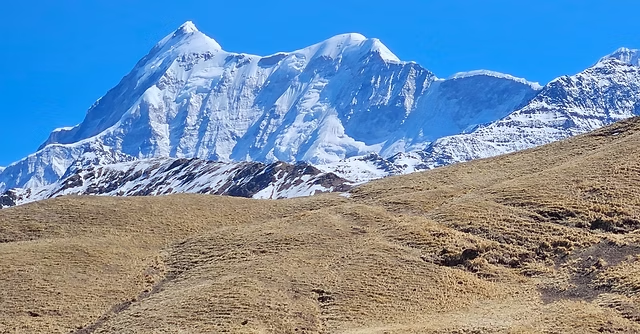
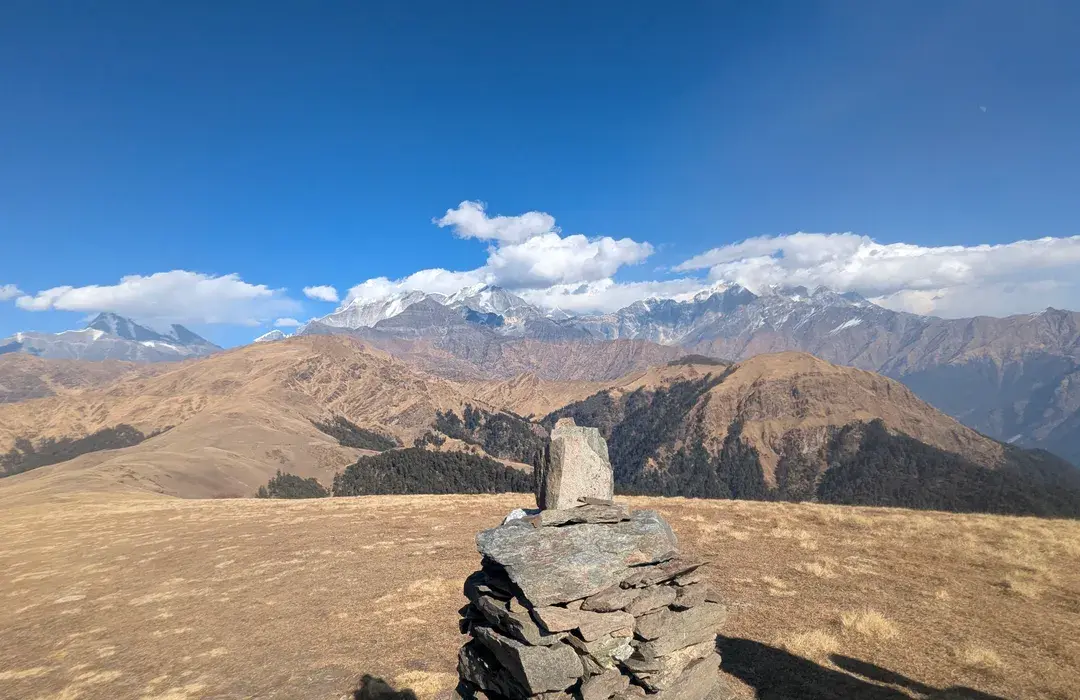
Unlike many Himalayan treks that remain inside dense forests for most of the journey, the Ali Bedni Bugyal Trek opens into vast mountain meadows where the horizon stretches endlessly. On clear days, trekkers enjoy panoramic views of iconic Himalayan peaks such as Trishul, Nanda Ghunti, Chaukhamba, Neelkanth, Hathi-Ghodi Parvat, and several surrounding summits.
One of the biggest attractions of this trek is that it combines beautiful forests, charming Himalayan villages, ancient temples, peaceful lakes, and expansive bugyals into a single journey. Every day offers a different landscape, making the experience varied and memorable.
The trail begins from the picturesque village of Lohajung, a well-known trekking base in Uttarakhand. From here, the route gradually climbs through oak and rhododendron forests before reaching the vast alpine meadows that have made this trek famous among nature lovers and photographers.
Because of its moderate difficulty level, Ali Bedni Bugyal is suitable for beginners with basic fitness as well as experienced trekkers looking for a relaxing Himalayan escape. Families with older children, solo travellers, photographers, and trekking enthusiasts all find something special on this route.
Trek Overview
| Particular | Details |
| Trek Name | Ali Bedni Bugyal Trek |
| Trek Duration | 6 Days / 5 Nights |
| Pickup & Drop | Rishikesh |
| Trek Distance | Approx. 33 km |
| Maximum Altitude | 12,550 ft (3,825 m) |
| Difficulty | Easy to Moderate |
| Base Camp | Lohajung |
| Region | Chamoli, Uttarakhand |
| Best Season | March–June & September–December |
| Accommodation | Guesthouse & Alpine Camps |
| Suitable For | Beginners, Families, Solo Trekkers & Photographers |
Why Ali Bedni Bugyal Trek Should Be on Every Trekker’s Bucket List
There are countless trekking destinations in the Himalayas, but only a handful leave a lasting impression even after the journey ends. Ali Bedni Bugyal is one of those rare places.
Imagine walking across endless rolling meadows with the mighty Himalayan peaks standing directly in front of you. There are no city noises, no traffic, and no crowds—just the sound of the wind brushing through the grasslands, grazing horses and sheep, and the occasional call of Himalayan birds.
During spring and early summer, the meadows transform into lush green carpets. Rhododendron forests bloom with vibrant red flowers, adding bursts of colour to the trail. After the monsoon, the landscape turns incredibly fresh, with crystal-clear mountain views that stretch for miles. As winter approaches, fresh snowfall blankets the bugyals, creating a magical white landscape that feels almost untouched.
The trek is not only about scenery. Along the way, you’ll pass traditional Garhwali villages where locals still follow age-old customs and welcome trekkers with warm hospitality. Bedni Kund, a small high-altitude lake surrounded by mountains, holds deep religious significance and adds a cultural dimension to the journey.
One of the greatest strengths of the Ali Bedni Bugyal Trek is its balance. It offers stunning Himalayan views without requiring technical mountaineering skills or extreme endurance. The gradual ascent gives trekkers enough time to adapt to the altitude while enjoying every stage of the journey.
Whether you’re taking your first Himalayan trek or returning to the mountains for another adventure, Ali Bedni Bugyal offers an experience that is peaceful, rewarding, and unforgettable.
Trek Highlights
- Walk across two of India’s largest alpine meadows.
- Spectacular sunrise and sunset over Mt. Trishul and Nanda Ghunti.
- Peaceful camping under star-filled Himalayan skies.
- Dense oak and rhododendron forests.
- Ancient Bedni Kund and local folklore.
- Rich Himalayan flora and birdlife.
- Traditional villages showcasing Garhwali culture.
- Ideal blend of forest trails, mountain ridges, and open grasslands.
- Excellent trek for beginners and families with good fitness.
- One of Uttarakhand’s most photogenic trekking routes in every season.
The Ali Bedni Bugyal Trek is more than just a hike—it’s an opportunity to experience the changing landscapes, rich culture, and timeless beauty of the Garhwal Himalayas. From dense forests to vast alpine meadows and towering snow-covered peaks, every step reveals a new side of Uttarakhand’s natural heritage. Whether you come for the adventure, the photography, or simply to disconnect from everyday life, this trek promises memories that stay with you long after you’ve returned home.
Why is the Ali Bedni Bugyal Trek So Famous?
Ask any experienced trekker about the most beautiful meadows in India, and you’ll almost always hear the names Ali Bugyal and Bedni Bugyal. These two alpine grasslands, nestled high in the Garhwal Himalayas of Uttarakhand, have earned a special place among trekking enthusiasts because they offer an incredible combination of vast open landscapes, snow-capped Himalayan peaks, rich local culture, and a trail that remains enjoyable throughout the year.
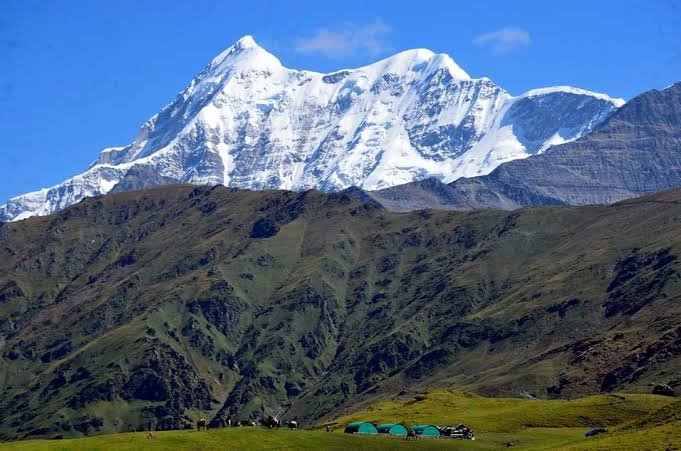
Unlike many Himalayan treks where the best views come only after reaching the summit, the Ali Bedni Bugyal Trek rewards you almost every day. As you gain altitude, dense oak and rhododendron forests gradually give way to rolling green meadows that seem to stretch endlessly towards the horizon. On clear mornings, the snow-covered faces of Mt. Trishul and Mt. Nanda Ghunti dominate the skyline, creating one of the most breathtaking panoramas in Uttarakhand.
What makes this trek even more special is its accessibility. While the scenery is comparable to many high-altitude Himalayan expeditions, the trail itself is relatively moderate, making it suitable for beginners with good fitness as well as experienced trekkers looking for a peaceful mountain escape.
For photographers, every season brings a different canvas. Spring paints the forests with blooming rhododendrons, summer transforms the bugyals into lush green carpets, post-monsoon offers crystal-clear mountain views, autumn covers the grasslands in golden shades, and winter wraps the entire landscape in fresh snow.
The trek is also deeply connected with local Garhwali traditions. Bedni Kund, an ancient high-altitude lake located in Bedni Bugyal, is considered sacred by local communities. During the famous Nanda Devi Raj Jat Yatra, pilgrims pass through this region, giving the trek cultural and spiritual significance beyond its natural beauty.
For many trekkers, the Ali Bedni Bugyal Trek is not simply about reaching a destination—it is about slowing down, breathing fresh Himalayan air, walking through centuries-old forests, camping beneath star-filled skies, and experiencing nature in its purest form.
What Makes Ali Bugyal and Bedni Bugyal Different?
Although most people refer to the trek as a single destination, Ali Bugyal and Bedni Bugyal are actually two separate alpine meadows connected by a scenic ridge.
Ali Bugyal
Ali Bugyal is often the first major meadow encountered on the trek. Sitting at an elevation of around 11,500 feet, it is one of the largest alpine meadows in Asia. The gentle rolling hills, grazing horses, and uninterrupted mountain views create a landscape that almost feels unreal.
The meadow is especially beautiful during sunrise, when the first rays of sunlight illuminate the snow-covered peaks of Trishul and Nanda Ghunti while the grasslands remain covered in morning dew.
Because of its wide-open terrain, Ali Bugyal is also one of the best places for landscape photography and drone photography (where permitted by local authorities).
Bedni Bugyal
A few kilometres beyond Ali lies Bedni Bugyal, another magnificent Himalayan meadow with a slightly different character.
Bedni Bugyal is larger, steeper in some sections, and carries immense cultural significance due to the presence of Bedni Kund.
The small alpine lake reflects the surrounding mountains on calm mornings, making it one of the most photographed locations on the trek.
Nearby stands a centuries-old stone temple dedicated to Goddess Nanda Devi, reminding trekkers that these mountains are not only places of adventure but also deeply respected by the local communities.
Major Attractions of the Ali Bedni Bugyal Trek
1. Endless Himalayan Meadows
The biggest attraction is undoubtedly the bugyals themselves.
Unlike ordinary grasslands, Himalayan bugyals exist above the tree line and remain covered with fresh alpine grass during the warmer months.
Walking across these vast meadows feels almost effortless because there are no dense forests blocking the view. Everywhere you look, snow-covered peaks dominate the horizon.
Many trekkers describe Ali and Bedni Bugyal as nature’s own amphitheatre.
2. Magnificent Views of Mt. Trishul
Standing tall at over 7,000 metres, Mt. Trishul becomes your constant companion throughout much of the trek.
The mountain changes colour throughout the day—from soft pink during sunrise to brilliant white under the afternoon sun and golden-orange during sunset.
Few Himalayan treks provide such prolonged close-up views of this majestic peak.
3. Nanda Ghunti
Located beside Trishul, Nanda Ghunti adds another dramatic dimension to the Himalayan skyline.
Its sharp ridges and snow-covered slopes create a stunning contrast against the green bugyals below.
Photographers often spend hours waiting for changing light conditions to capture these mountains.
4. Dense Oak and Rhododendron Forests
Before reaching the meadows, the trail passes through beautiful forests filled with oak, maple, and rhododendron trees.
During March and April, blooming rhododendrons paint sections of the forest bright red, making this one of the most colourful Himalayan treks of spring.
The forest is alive with birdsong, cool mountain air, and occasional sightings of Himalayan wildlife.
5. Bedni Kund
Bedni Kund is much more than a scenic alpine lake.
According to local belief, the lake holds religious significance and plays an important role during the historic Nanda Devi Raj Jat pilgrimage.
Trekkers often spend quiet moments here simply enjoying the peaceful surroundings.
6. Starry Night Camping
One of the highlights of this trek is camping beneath some of the clearest night skies in Uttarakhand.
With almost no light pollution, thousands of stars become visible on clear nights.
During winter, the Milky Way is often visible to the naked eye.
Listening to the silence of the mountains while sitting outside your tent becomes a memory that stays with most trekkers forever.
Himalayan Peaks Visible During the Trek
The Ali Bedni Bugyal Trek offers panoramic views of several famous Himalayan peaks.
These include:
- Mt. Trishul (7,120 m)
- Mt. Nanda Ghunti (6,309 m)
- Chaukhamba Massif
- Neelkanth Peak
- Hathi Parvat
- Ghodi Parvat
- Mrigthuni
- Maiktoli
- Bethartoli Himal
- Nilgiri Parbat (on exceptionally clear days from higher viewpoints)
Each viewpoint offers a slightly different perspective, making every day’s walk feel unique.
Route of the Ali Bedni Bugyal Trek
The classic trekking route begins from Lohajung, a peaceful Himalayan village that serves as the gateway to several famous treks in Uttarakhand.
Standard Route
Rishikesh → Karnaprayag → Dewal → Lohajung → Didna Village → Ali Bugyal → Bedni Bugyal → Ghairoli Patal → Wan Village → Lohajung → Rishikesh
This circular route allows trekkers to experience different landscapes instead of returning by the same trail.
One side of the trek passes through traditional mountain villages, while the descent through Wan Village introduces trekkers to ancient forests and charming rural life.
Why the Circular Route is Better
Many Himalayan treks require retracing the same path while descending.
Ali Bedni Bugyal is different.
The circular trail ensures that every day brings fresh scenery.
You’ll experience:
- Different forests
- Different villages
- New mountain viewpoints
- Fresh camping locations
- Changing Himalayan landscapes
This variety is one of the biggest reasons why trekkers rate this route so highly.
Trek Distance
The complete Ali Bedni Bugyal Trek covers approximately 31–35 kilometres, depending on the exact campsite locations and itinerary followed by the trekking organization.
The daily walking distance usually ranges between 5 and 10 kilometres, making it comfortable for most beginners with basic physical preparation.
Rather than long exhausting days, the itinerary is designed to allow trekkers enough time to enjoy the scenery, take photographs, and acclimatize naturally.
Is This Trek Suitable for Beginners?
Yes.
Ali Bedni Bugyal is widely considered one of the best beginner-friendly Himalayan treks.
There are several reasons why:
- Well-defined trail.
- No technical climbing.
- Gradual altitude gain.
- Comfortable daily trekking distance.
- Plenty of water sources.
- Good camping locations.
- Spectacular rewards without extreme difficulty.
That said, “beginner-friendly” does not mean effortless.
Trekkers should still prepare by improving cardiovascular fitness, leg strength, and stamina before arriving in the mountains.
Being able to comfortably walk 5–6 kilometres or climb stairs for 40–50 minutes without excessive fatigue will make the trek much more enjoyable.
Who Should Choose the Ali Bedni Bugyal Trek?
This trek is ideal for:
- First-time Himalayan trekkers.
- Nature lovers.
- Landscape photographers.
- Families with older children.
- Couples looking for a scenic adventure.
- Solo travellers.
- Experienced trekkers seeking a relaxed Himalayan experience.
- Birdwatchers and wildlife enthusiasts.
If your goal is to experience the beauty of the Himalayas without attempting an extremely demanding expedition, Ali Bedni Bugyal is one of the finest choices in Uttarakhand.
Transition to the Journey Ahead
Now that you know why the Ali Bedni Bugyal Trek is considered one of India’s most beautiful meadow treks, it’s time to understand how the journey unfolds day by day. From the drive to Lohajung and the welcoming villages of Garhwal to the climb across Ali Bugyal, the sacred surroundings of Bedni Kund, and the descent through Wan Village, each stage has its own charm and rhythm. In the next section, we’ll walk through the complete itinerary with practical trekking tips, expected walking hours, campsite details, and what you can expect each day on the trail.
Ali Bedni Bugyal Trek Complete Day-wise Itinerary
One of the biggest reasons trekkers love the Ali Bedni Bugyal Trek is the way the journey unfolds. Every day brings a completely different landscape—from winding mountain roads and traditional Garhwali villages to dense oak forests, endless alpine meadows, and spectacular Himalayan views. The itinerary is designed to give you enough time to enjoy the surroundings without feeling rushed, making it suitable for both beginners and experienced trekkers.
Day 1: Rishikesh to Lohajung
Drive Distance: Approx. 250 km
Driving Time: 9–10 Hours
Altitude: 7,600 ft (2,316 m)
Your journey begins early in the morning from Rishikesh. As the plains slowly disappear behind you, the road starts climbing into the Garhwal Himalayas. This scenic drive follows the Alaknanda River for much of the route and passes through several well-known mountain towns such as Devprayag, Srinagar, Rudraprayag, Karnaprayag, Tharali, and Dewal before finally reaching Lohajung.
Along the way you’ll witness some of Uttarakhand’s famous river confluences (Prayags), terraced farming, pine-covered hills, and traditional villages. The changing landscape gives you a glimpse of what lies ahead in the coming days.
By evening, you’ll arrive in Lohajung, a peaceful village that serves as the base camp for the Ali Bedni Bugyal, Brahmatal, and Roopkund treks. On a clear day, the first distant views of Mt. Nanda Ghunti can already be seen from here.
After checking into your guesthouse, the trek leader conducts a short briefing covering the itinerary, safety guidelines, weather conditions, and packing essentials. This is also a good time to rent any last-minute trekking gear if required.
Enjoy a warm dinner and rest well—your Himalayan adventure begins the next morning.
Highlights of the Day
- Scenic drive through Garhwal Himalayas
- Views of river valleys and mountain roads
- Traditional Himalayan villages
- Evening trek briefing at Lohajung
- First taste of mountain hospitality
Day 2: Lohajung to Didna Village
Trek Distance: Approx. 6 km
Trekking Time: 5–6 Hours
Altitude: 8,800 ft (2,682 m)
After breakfast, the trek officially begins.
Leaving Lohajung behind, the trail descends towards the Neel Ganga River. A suspension bridge across the river marks the beginning of the real climb. From here, the path gradually ascends through dense oak forests, where sunlight filters through the trees and birdsong echoes in the cool mountain air.
The climb can feel steady, but the beautiful surroundings make the effort worthwhile. Depending on the season, you’ll pass blooming rhododendron trees, moss-covered rocks, and small streams flowing through the forest.
After a few hours, the trail opens into the traditional Garhwali village of Didna. Stone houses, terraced fields, and friendly locals offer a glimpse into mountain life that has changed little over the years.
Spend the evening exploring the village, interacting with locals, or simply relaxing while watching the sun set behind the surrounding peaks.
Highlights of the Day
- Cross the Neel Ganga River
- Walk through ancient oak forests
- Rhododendron blooms in spring
- Traditional Garhwali village experience
- Beautiful mountain sunset
Day 3: Didna Village to Ali Bugyal
Trek Distance: Approx. 9 km
Trekking Time: 5–6 Hours
Altitude: 11,500 ft (3,505 m)
Today’s trek is one of the most exciting sections of the entire journey.
The morning begins with a gradual climb through forests before the trees slowly start disappearing. Suddenly, the trail opens into an endless green landscape—the magnificent Ali Bugyal.
For many trekkers, this is the moment they truly fall in love with the Himalayas.
Rolling grasslands stretch in every direction while massive snow-covered peaks rise dramatically across the horizon. Mt. Trishul and Mt. Nanda Ghunti dominate the skyline, creating unforgettable panoramic views.
Unlike rocky mountain trails, walking across the bugyal feels surprisingly gentle. The open terrain allows cool mountain breezes to flow freely, making the hike enjoyable even during sunny afternoons.
After reaching the campsite, you’ll have plenty of time to explore the surrounding meadows, photograph the changing light on the Himalayan peaks, or simply sit quietly and absorb the peaceful atmosphere.
As evening approaches, the mountains glow golden before the sky fills with countless stars.
Highlights of the Day
- First views of Ali Bugyal
- Spectacular panorama of Mt. Trishul
- Vast Himalayan grasslands
- Beautiful alpine campsite
- Sunset and stargazing
Day 4: Ali Bugyal to Bedni Bugyal/Gairoli Patal
Trek Distance: Approx. 5 km
Trekking Time: 3–4 Hours
Altitude: 12,550 ft (3,825 m)
Although today’s walking distance is relatively short, it is undoubtedly one of the most scenic days of the trek.
The trail gently follows the ridge connecting Ali Bugyal and Bedni Bugyal. Throughout the walk, uninterrupted Himalayan views remain your constant companion.
The wide grasslands seem almost endless, and every small rise reveals another breathtaking perspective of the surrounding mountains.
Eventually, you’ll reach Bedni Bugyal, one of India’s most famous alpine meadows.
A short walk from the campsite leads to Bedni Kund, a sacred alpine lake that holds deep spiritual importance for the local communities. The nearby stone temple dedicated to Goddess Nanda Devi reflects the rich cultural heritage of the region.
Spend the afternoon exploring the meadow, enjoying photography, or simply relaxing beside the lake.
This is also one of the best locations on the trek for sunrise and sunset photography.
Highlights of the Day
- Scenic ridge walk
- Bedni Bugyal meadows
- Sacred Bedni Kund
- Nanda Devi Temple
- Close views of Trishul and Nanda Ghunti
Day 5: Bedni Bugyal to Wan via Ghairoli Patal – Drive to Lohajung
Trek Distance: Approx. 10–11 km
Trekking Time: 6–7 Hours
Drive: Wan to Lohajung (Approx. 22 km)
Today begins with a gentle descent across Bedni Bugyal before entering dense forests once again.
The trail passes through Ghairoli Patal, a peaceful forest campsite surrounded by towering oak and rhododendron trees. This section feels completely different from the open meadows of the previous day.
As you continue descending, you’ll gradually reach Wan Village, one of the oldest villages in the region. Wan is known for its ancient Latu Devta Temple and traditional wooden houses that showcase the architectural style of the Garhwal Himalayas.
After lunch, vehicles will pick up the group for the short drive back to Lohajung.
The evening is often filled with laughter as trekkers share stories, photographs, and memories from the past few days.
Highlights of the Day
- Descend through forests
- Visit Ghairoli Patal
- Explore Wan Village
- Traditional Himalayan architecture
- Drive back to Lohajung
Day 6: Lohajung to Rishikesh
Drive Distance: Approx. 250 km
Driving Time: 9–10 Hours
After breakfast, it’s time to bid farewell to the mountains.
The drive follows the same scenic Himalayan roads back towards Rishikesh, giving you one final opportunity to enjoy the beautiful river valleys and mountain landscapes.
Although the trek officially ends today, most trekkers return home carrying unforgettable memories of peaceful forests, endless meadows, breathtaking Himalayan peaks, warm local hospitality, and nights spent beneath star-filled skies.
For many people, Ali Bedni Bugyal becomes the beginning of a lifelong love for Himalayan trekking.
Typical Daily Schedule During the Trek
While timings may vary slightly depending on weather and group pace, most trekking days follow a similar routine:
| Time | Activity |
| 6:00 AM | Wake-up call with tea |
| 7:00 AM | Breakfast |
| 8:00 AM | Start trekking |
| 11:00 AM | Short refreshments and rest |
| 1:00 PM | Reach campsite (approx.) |
| 2:00 PM | Lunch |
| Afternoon | Explore surroundings / Photography / Rest |
| 6:30 PM | Evening snacks and briefing |
| 7:30 PM | Dinner |
| 9:00 PM | Lights out |
Following this schedule allows trekkers to complete the day’s walk comfortably while also enjoying enough time to explore each campsite.
Campsites on the Trek
The campsites are carefully selected to provide both safety and stunning scenery.
Lohajung serves as the comfortable base camp with guesthouse accommodation.
Didna Village offers a chance to experience local Garhwali hospitality in village homestays or camps, depending on the itinerary.
Ali Bugyal provides one of the most scenic campsites in Uttarakhand, surrounded by rolling meadows and Himalayan peaks.
Bedni Bugyal is the highlight campsite, where sunrise, sunset, and night skies create unforgettable memories.
Each campsite has basic toilet facilities, dining tents, and experienced support staff to ensure a comfortable trekking experience.
A Journey That Stays With You
The Ali Bedni Bugyal Trek is not about rushing from one campsite to another. Every stage of the journey has its own rhythm and character. From the quiet forests around Didna to the endless meadows of Ali and Bedni, each day reveals a different side of the Garhwal Himalayas. The changing landscapes, warm hospitality of the mountain villages, and constant presence of snow-clad peaks make this trek memorable long after it ends.
In the next section, we’ll explore the best time to visit Ali Bedni Bugyal, month-wise weather and temperature, seasonal highlights, and what you can expect from the trail throughout the year.
Best Time to Visit Ali Bedni Bugyal Trek
One of the reasons the Ali Bedni Bugyal Trek is so popular is that it offers a different experience in every season. Unlike some Himalayan treks that are enjoyable only for a short window each year, Ali Bedni Bugyal changes its character with the weather. Lush green meadows in spring and summer, crystal-clear mountain views after the monsoon, golden grasslands in autumn, and snow-covered landscapes in winter ensure that every visit feels unique.
The best season for you depends on the kind of experience you’re looking for. Some trekkers come for blooming rhododendrons and pleasant weather, while others prefer fresh snowfall and winter camping.
Best Seasons at a Glance
| Season | Months | What You’ll Experience |
| Spring | March – April | Snow patches, blooming rhododendrons, pleasant weather |
| Summer | May – June | Lush green meadows, comfortable temperatures, clear mountain views |
| Monsoon | July – August | Heavy rainfall, slippery trails, usually not recommended |
| Post-Monsoon | September – October | Crystal-clear skies, fresh landscapes, excellent photography |
| Autumn | November | Golden meadows, cold nights, stable weather |
| Winter | December – February* | Snow-covered bugyals, winter trekking (depends on route and conditions) |
*Winter itineraries may vary depending on snowfall and forest department permissions.
Ali Bedni Bugyal Trek in Spring (March – April)
Spring is one of the most colourful times to visit the Garhwal Himalayas. As winter slowly retreats, patches of snow remain on the higher slopes while lower sections of the trail come alive with fresh greenery.
The forests between Lohajung and Didna are especially beautiful during this season. Rhododendron trees bloom with bright red flowers, creating vibrant contrasts against the deep green oak forests.
Morning temperatures remain cool, while daytime trekking is comfortable, making spring ideal for beginners.
What to Expect
- Blooming rhododendron forests
- Pleasant daytime temperatures
- Snow patches at higher camps
- Fresh mountain air
- Moderate crowds
Approximate Temperature
| Location | Day | Night |
| Lohajung | 12°C to 18°C | 3°C to 7°C |
| Ali Bugyal | 8°C to 14°C | -2°C to 2°C |
| Bedni Bugyal | 6°C to 12°C | -4°C to 0°C |
Ali Bedni Bugyal Trek in Summer (May – June)
For many trekkers, this is the best season.
The bugyals are covered in lush green grass, making them look like endless natural carpets stretching beneath the Himalayan peaks. Snow has largely melted from the trail, making walking easier and safer.
Long daylight hours also allow plenty of time for photography and enjoying the scenery.
This season is particularly suitable for first-time Himalayan trekkers because the weather is relatively stable.
Highlights
- Bright green meadows
- Comfortable trekking conditions
- Spectacular views of Trishul and Nanda Ghunti
- Pleasant camping weather
- Family-friendly season
Approximate Temperature
| Location | Day | Night |
| Lohajung | 16°C to 22°C | 8°C to 12°C |
| Ali Bugyal | 12°C to 18°C | 4°C to 8°C |
| Bedni Bugyal | 10°C to 16°C | 2°C to 6°C |
Ali Bedni Bugyal Trek During Monsoon (July – August)
Although the mountains become incredibly green during the monsoon, trekking at this time is generally not recommended.
Continuous rainfall makes the trails slippery, stream crossings more challenging, and landslides can affect road access to Lohajung.
Cloud cover also reduces visibility, meaning the famous Himalayan panoramas are often hidden.
Some experienced trekkers still choose this season for the lush scenery, but flexibility in travel plans is essential.
Challenges
- Heavy rainfall
- Slippery trails
- Poor mountain visibility
- Road delays due to landslides
- Leeches in forest sections
Ali Bedni Bugyal Trek in Post-Monsoon (September – October)
Many experienced trekkers consider post-monsoon the finest season for this trek.
After weeks of rainfall, the atmosphere becomes exceptionally clear. Dust and haze disappear, revealing sharp views of the surrounding Himalayan peaks.
The grasslands remain fresh and green, while the weather becomes cooler and more stable.
Photographers especially love this season because sunrise and sunset colours are often at their best.
Why Choose This Season?
- Crystal-clear mountain views
- Fresh green landscapes
- Comfortable trekking temperatures
- Excellent photography
- Stable weather
Approximate Temperature
| Location | Day | Night |
| Lohajung | 14°C to 20°C | 6°C to 10°C |
| Ali Bugyal | 10°C to 16°C | 2°C to 6°C |
| Bedni Bugyal | 8°C to 14°C | 0°C to 4°C |
Ali Bedni Bugyal Trek in November
November marks the transition from autumn to winter.
The lush green grass gradually changes into beautiful golden shades, giving the meadows a completely different appearance. The forests become quieter, and trekking trails are less crowded compared to peak seasons.
Night temperatures begin dropping below freezing at higher camps.
This is an excellent month for trekkers who enjoy peaceful trails and crisp mountain weather.
Highlights
- Golden alpine meadows
- Quiet trekking experience
- Stable weather
- Clear Himalayan views
- Cold but enjoyable camping
Approximate Temperature
| Location | Day | Night |
| Lohajung | 10°C to 16°C | 2°C to 6°C |
| Ali Bugyal | 6°C to 12°C | -4°C to 0°C |
| Bedni Bugyal | 4°C to 10°C | -6°C to -2°C |
Ali Bedni Bugyal Trek in Winter (December – February)
Winter transforms Ali and Bedni Bugyal into a snow-covered wonderland.
Fresh snowfall blankets the meadows, forests, and campsites, creating one of the most beautiful winter landscapes in Uttarakhand.
However, heavy snowfall can also make access to Bedni Bugyal difficult. Depending on snow conditions, trekking organisations may modify the itinerary or stop at lower camps for safety.
Winter trekking requires proper clothing, insulated footwear, and experienced guides.
Highlights
- Snow-covered landscapes
- Winter camping
- Frozen mornings
- Fewer trekkers
- Magical sunrise over snow-covered peaks
Approximate Temperature
| Location | Day | Night |
| Lohajung | 5°C to 12°C | -2°C to 3°C |
| Ali Bugyal | 0°C to 8°C | -8°C to -4°C |
| Bedni Bugyal | -2°C to 6°C | -10°C to -6°C |
Month-wise Weather Guide
| Month | Weather | Recommendation |
| March | Cool with snow patches | Excellent |
| April | Pleasant with rhododendrons | Excellent |
| May | Green meadows & clear skies | Best |
| June | Comfortable weather | Best |
| July | Heavy rainfall | Not Recommended |
| August | Rain & landslides possible | Not Recommended |
| September | Fresh landscapes | Excellent |
| October | Crystal-clear mountain views | Best |
| November | Golden meadows | Excellent |
| December | Snow begins | Very Good (winter lovers) |
Which Month is Best?
The answer depends on your priorities.
For First-Time Trekkers
Choose May, June, September, or October. These months usually offer stable weather, comfortable temperatures, and excellent visibility.
For Landscape Photography
Late September and October provide some of the clearest mountain views of the year, while April offers colourful forests with blooming rhododendrons.
For Snow Lovers
Late December onwards is ideal if you want to experience winter conditions. Keep in mind that itineraries may change depending on snowfall and safety.
For Peaceful Trails
November is perfect for trekkers who prefer fewer crowds and enjoy crisp autumn weather.
Sunrise and Sunset
One of the highlights of camping at Ali and Bedni Bugyal is watching the changing colours of the Himalayas.
During sunrise, peaks like Trishul and Nanda Ghunti slowly shift from pale blue to pink, then golden, before turning brilliant white under the morning sun.
Evenings are equally spectacular, with long shadows stretching across the bugyals as the sky glows orange and purple. These are the best times for photography, so keep your camera ready.
Choosing the Right Season
There is no single “perfect” month for the Ali Bedni Bugyal Trek because every season has something unique to offer. If you dream of walking across lush green meadows beneath clear blue skies, plan your trek in May, June, September, or October. If colourful forests appeal to you, spring is a wonderful choice. And if you’ve always wanted to experience a Himalayan winter, a well-planned snow trek can be unforgettable.
The key is to prepare for the expected weather, pack wisely, and remain flexible, as mountain conditions can change rapidly.
In the next section, we’ll cover the difficulty level of the Ali Bedni Bugyal Trek, required fitness, altitude considerations, acclimatisation, AMS awareness, and practical preparation tips to help you enjoy the trek safely and comfortably.
Ali Bedni Bugyal Trek Difficulty, Fitness Preparation, AMS & Safety Guide
One of the first questions people ask before booking the Ali Bedni Bugyal Trek is, “Is it difficult?” The good news is that this trek is considered easy to moderate, making it one of the best Himalayan treks for beginners. However, “easy to moderate” doesn’t mean you can arrive without any preparation.
The trek reaches a maximum altitude of 12,550 ft (3,825 m) at Bedni Bugyal. While the trail doesn’t involve technical climbing, you’ll still be walking for several hours each day on mountain terrain, crossing forest paths, gradual ascents, and open meadows. Good fitness not only makes the trek easier but also allows you to enjoy the breathtaking scenery without feeling exhausted.
Why is the Trek Considered Easy to Moderate?
The Ali Bedni Bugyal Trek is beginner-friendly for several reasons:
- There are no steep technical climbs requiring ropes or mountaineering skills.
- The altitude gain is gradual, giving your body time to adjust.
- Daily trekking distances are manageable.
- Well-defined trails make navigation straightforward.
- Multiple campsites allow adequate rest between trekking days.
That said, don’t underestimate mountain walking. Even gentle uphill sections can feel challenging if you’re not used to walking for long hours.
Who Can Do the Ali Bedni Bugyal Trek?
This trek is suitable for:
- First-time Himalayan trekkers
- Students and young professionals
- Families with children above 8–10 years (depending on fitness)
- Solo travellers
- Couples
- Nature lovers
- Photographers
- Experienced trekkers looking for a relaxed Himalayan experience
If you can comfortably walk 8–10 km on level ground or climb stairs continuously for 40–50 minutes, you’ll have a good foundation for this trek.
Who Should Consult a Doctor Before Trekking?
Although the trek isn’t technically difficult, people with certain medical conditions should seek medical advice before joining:
- Heart disease
- Severe asthma or chronic lung conditions
- Uncontrolled high blood pressure
- Recent major surgery
- Serious knee or back problems
- Pregnancy
- Any condition that may be affected by high altitude
Always inform your trek organiser in advance if you have a medical condition or require regular medication.
How Fit Should You Be?
Fitness isn’t about being an athlete—it’s about being comfortable on the trail.
A reasonably fit person should be able to:
- Walk 5–6 km without excessive fatigue.
- Climb several flights of stairs without stopping frequently.
- Carry a light daypack (5–7 kg) comfortably.
- Trek for 5–6 hours with short breaks.
Improving your fitness before the trek will make the journey more enjoyable and reduce the risk of injuries.
4-Week Fitness Plan Before the Trek
Week 1: Build a Routine
- Walk or jog for 30 minutes, 5 days a week.
- Climb stairs for 10–15 minutes.
- Perform basic bodyweight exercises like squats, lunges, and planks.
Week 2: Improve Endurance
- Increase your walk or jog to 40–45 minutes.
- Add cycling or swimming if available.
- Continue strength exercises for your legs and core.
Week 3: Simulate Trekking
- Go on longer walks of 8–10 km.
- Carry a small backpack during your walks.
- Practice climbing stairs continuously for 20–30 minutes.
Week 4: Final Preparation
- Take one long hike if possible.
- Stretch regularly to improve flexibility.
- Stay hydrated and avoid overtraining in the final few days before departure.
Why Leg Strength Matters
Most people assume trekking is all about stamina, but strong legs are equally important.
During the Ali Bedni Bugyal Trek, your quadriceps, calves, and glutes work continuously, especially during descents. Strong leg muscles help reduce fatigue and protect your knees.
Simple exercises such as squats, step-ups, lunges, and wall sits can make a noticeable difference.
Cardiovascular Fitness
Walking at higher altitudes naturally requires more effort because the air contains less oxygen.
Improving your cardiovascular fitness before the trek helps your body use oxygen more efficiently.
Recommended activities include:
- Brisk walking
- Jogging
- Cycling
- Swimming
- Skipping rope
Aim for at least 30–45 minutes of aerobic exercise most days of the week.
Altitude on the Ali Bedni Bugyal Trek
The highest point on this trek is approximately 12,550 ft (3,825 m).
At this altitude, the oxygen level is lower than at sea level. Most healthy trekkers adjust without difficulty because the ascent is gradual, but some may experience mild symptoms while acclimatising.
Common effects of altitude include:
- Slight breathlessness during climbs
- Faster heartbeat
- Reduced stamina
- Mild headache
- Difficulty sleeping on the first night at higher camps
These are usually temporary and improve with rest and hydration.
Understanding Acute Mountain Sickness (AMS)
Acute Mountain Sickness (AMS) is a condition that can occur when the body doesn’t adapt well to high altitude.
While the risk on the Ali Bedni Bugyal Trek is lower than on much higher Himalayan expeditions, it is still important to recognise the symptoms.
Mild Symptoms
- Headache
- Loss of appetite
- Mild nausea
- Dizziness
- Fatigue
- Difficulty sleeping
Serious Symptoms
- Persistent vomiting
- Severe headache that doesn’t improve
- Difficulty walking straight
- Confusion
- Breathlessness even while resting
If serious symptoms appear, the affected person should not continue climbing and should be assessed by the trek leader. Descending to a lower altitude is often the safest response.
How to Reduce the Risk of AMS
Fortunately, there are several simple steps that significantly reduce the risk:
- Walk at a steady pace.
- Stay well hydrated.
- Eat regular meals.
- Avoid alcohol and smoking during the trek.
- Get enough sleep.
- Follow the trek leader’s instructions.
- Don’t ignore early symptoms.
Remember that everyone reacts differently to altitude. Age and fitness alone do not guarantee immunity.
Staying Hydrated
One of the most common mistakes trekkers make is drinking too little water.
At higher altitudes, the body loses water more quickly through breathing and physical activity.
Aim to drink 3–4 litres of water each day unless advised otherwise.
You can also include:
- Warm soup
- Lemon water
- Oral rehydration salts (ORS)
- Herbal tea
Avoid drinking large amounts at once. Small, frequent sips work better.
Food During the Trek
Your body needs more energy while trekking.
Most trekking organisations provide freshly prepared vegetarian meals, including:
- Breakfast
- Packed or hot lunch
- Evening snacks
- Soup
- Dinner
- Tea or coffee
Even if your appetite decreases slightly at higher camps, try to eat enough carbohydrates to maintain your energy.
Common Challenges on the Trail
Although this trek is beginner-friendly, you may face:
Steady Uphill Climbs
Some sections between Lohajung, Didna, and Ali Bugyal involve continuous ascent.
The best strategy is to maintain a slow, consistent pace rather than trying to walk quickly.
Descents
Descending may seem easier, but it places greater stress on the knees.
Using trekking poles can help reduce strain and improve balance.
Weather Changes
Mountain weather can change rapidly.
A sunny morning may become cloudy or windy within an hour, so always keep your rain jacket and warm layer easily accessible.
Safety Tips for Every Trekker
- Follow your trek leader’s instructions.
- Stay with the group.
- Don’t take shortcuts.
- Wear proper trekking shoes with good grip.
- Carry enough water.
- Use sunscreen, sunglasses, and a cap during sunny weather.
- Keep a light rain jacket handy.
- Respect local customs and sacred places.
- Avoid littering the trail.
- Inform the trek leader immediately if you feel unwell.
Travel Insurance
While travel insurance is not mandatory for every trek, it is worth considering, especially if your policy covers:
- Emergency evacuation
- Accidental injury
- Medical expenses
- Trip interruption due to weather or road closures
Before purchasing a policy, read the terms carefully to understand what is and isn’t covered, particularly for trekking at high altitude.
Mental Preparation
Trekking is as much a mental journey as a physical one.
There may be moments when you’re tired, the climb feels longer than expected, or the weather isn’t perfect. Staying patient, maintaining a positive attitude, and walking at your own pace will make the experience far more enjoyable.
Many trekkers discover that the greatest reward isn’t simply reaching Bedni Bugyal—it’s the quiet moments along the trail, the conversations around the campsite, and the sense of accomplishment that comes from completing the journey.
Ali Bedni Bugyal Trek Cost, Package Inclusions & Exclusions
Planning your budget is an important part of any Himalayan trek. The Ali Bedni Bugyal Trek is considered one of the best value-for-money trekking experiences in Uttarakhand. It offers breathtaking Himalayan landscapes, experienced trek leaders, comfortable camps, nutritious meals, and well-managed logistics at a reasonable cost.
The final trek cost depends on the trekking organisation, the pickup location, group size, transportation, and the type of accommodation provided before and after the trek.
Ali Bedni Bugyal Trek Cost
Most trekking companies offer the 6 Days / 5 Nights package within the following price range:
| Package Type | Approximate Cost |
| Trek Only (Lohajung to Lohajung) | ₹6,500 – ₹8,500 |
| With Transport from Rishikesh | ₹9,000 – ₹11,500 |
Note: Prices may vary depending on the season, group size, transport type, and inclusions.
What’s Included in the Trek Package?
A standard Ali Bedni Bugyal Trek package usually includes:
- Accommodation in a guesthouse at Lohajung (sharing basis)
- Twin/triple-sharing alpine tents during the trek
- Sleeping bags, mattresses, and dining tent
- All vegetarian meals from Day 1 dinner to Day 5 dinner (itinerary may vary slightly by operator)
- Morning and evening tea
- Experienced trek leader and local guides
- Professional support staff and cooks
- Forest entry permits and camping fees
- Basic first-aid kit and emergency medical support
- Safety briefings before and during the trek
- Transport from Rishikesh to Rishikesh (if selected in the package)
What’s Not Included?
The following expenses are generally not part of the package:
- Personal expenses
- Travel to and from Rishikesh
- Lunch during road journeys
- Travel insurance
- Personal medicines
- Porter or mule services (unless booked separately)
- Trekking equipment on rent
- Camera or drone fees (if applicable)
- Emergency evacuation expenses
- Any cost arising due to weather, roadblocks, natural disasters, or changes in the itinerary
Backpack Offloading Service
If you don’t want to carry your main backpack during the trek, many operators provide an offloading service.
Approximate Charges: ₹2,000 per bag
Maximum Weight: 9 kg
Important Guidelines
- Use a waterproof backpack cover.
- Avoid suitcases or trolley bags.
- Keep valuables, medicines, and documents in your daypack.
- Hand over the bag only after proper tagging.
Carrying only a light daypack with water, snacks, and a jacket makes trekking much more comfortable.
Trek Equipment on Rent
If you don’t own trekking gear, there’s no need to buy everything. Most essential items can be rented in Lohajung.
Common rental items include:
| Equipment | Approximate Rent |
| Trekking Shoes | ₹600–₹900 |
| Trekking Pole | ₹200–₹400 |
| Down Jacket | ₹500–₹800 |
| Poncho | ₹200–₹300 |
| Head Torch | ₹200–₹300 |
| Backpack | ₹600–₹800 |
Rental charges may vary depending on the season and availability.
Accommodation During the Trek
Accommodation is simple, clean, and designed for trekking conditions.
Lohajung
You’ll stay in a guesthouse or homestay with basic amenities such as beds, blankets, attached or common washrooms (depending on the property), and hot meals.
During the Trek
Accommodation is in high-quality alpine tents on a sharing basis.
Each campsite generally includes:
- Sleeping tents
- Dining tent
- Kitchen tent
- Toilet tents
- Drinking water
- Experienced campsite staff
Luxury facilities should not be expected at high-altitude camps, but good trekking operators ensure that camps are safe, hygienic, and comfortable.
Food During the Trek
Fresh, nutritious meals play an important role in keeping trekkers energetic.
A typical menu may include:
Breakfast
- Poha
- Upma
- Paratha
- Bread & Jam
- Porridge
- Tea/Coffee
Lunch
- Rice
- Dal
- Seasonal vegetables
- Chapati
- Pickle
- Salad
Evening Snacks
- Tea/Coffee
- Soup
- Biscuits or light snacks
Dinner
- Rice
- Dal
- Chapati
- Mixed vegetables
- Dessert (occasionally)
The menu may vary depending on weather conditions and campsite logistics.
Should You Buy Travel Insurance?
Travel insurance isn’t compulsory, but it’s a good idea—especially if it covers:
- Trekking up to the trek’s altitude
- Emergency medical treatment
- Accidental injury
- Trip interruption due to weather
- Emergency evacuation (where covered)
Always read the policy carefully to understand exclusions before purchasing.
Booking Tips
Before confirming your trek, make sure you:
- Read the complete itinerary.
- Check the cancellation policy.
- Confirm the pickup point and reporting time.
- Ask about the maximum group size.
- Verify what equipment is included.
- Inform the organiser about any medical conditions.
- Carry a valid government-issued photo ID.
Choosing a reliable trekking operator is just as important as choosing the right season. Experienced local guides, proper safety procedures, quality camping equipment, and well-planned logistics can make a huge difference to your overall experience.
How to Reach Ali Bedni Bugyal Trek (Lohajung Base Camp)
The journey to Ali Bedni Bugyal begins from Lohajung, a small mountain village in Chamoli district, Uttarakhand. Lohajung is the base camp for several famous Himalayan treks, including Brahmatal, Roopkund, and Ali Bedni Bugyal.
Although reaching Lohajung takes a full day’s drive from Rishikesh, the journey itself is incredibly scenic. You’ll pass through river valleys, mountain villages, pine forests, and several famous Himalayan towns before arriving at the base camp.
Reaching Rishikesh
Most trekking groups start from Rishikesh, which is well connected by road, rail, and air.
By Air
The nearest airport is Jolly Grant Airport (Dehradun), about 20 km from Rishikesh.
From the airport, you can hire a taxi or take a shared cab to reach the reporting point in Rishikesh.
By Train
The nearest major railway stations are:
- Rishikesh Railway Station
- Haridwar Junction (approximately 25 km from Rishikesh)
Haridwar has better train connectivity from major Indian cities such as Delhi, Mumbai, Kolkata, Jaipur, Ahmedabad, and Lucknow.
By Road
Regular Volvo buses, government buses, and private buses operate daily from Delhi, Chandigarh, Dehradun, and nearby cities to Rishikesh.
Many trekkers prefer taking an overnight bus from Delhi and reaching Rishikesh early in the morning.
Rishikesh to Lohajung
Distance: Approx. 250 km
Travel Time: 9–10 Hours
The drive follows this route:
Rishikesh → Devprayag → Srinagar → Rudraprayag → Karnaprayag → Tharali → Dewal → Lohajung
The road gradually climbs into the Garhwal Himalayas, offering beautiful views of rivers, valleys, and mountain villages.
Depending on traffic and weather conditions, the journey usually takes around 9 to 10 hours.
Pickup Point
Most trekking organisations provide pickup from:
Tapovan, Rishikesh
The usual reporting time is between 5:30 AM and 6:30 AM, allowing enough time to reach Lohajung before evening.
It’s recommended to arrive in Rishikesh a day earlier if you’re travelling from another state, as train or flight delays can sometimes affect your schedule.
Road Conditions
The road to Lohajung is mostly well-maintained, but the final mountain section has narrow bends and steep curves.
During the monsoon season, occasional landslides may temporarily affect traffic, while in winter, snowfall can slow down travel.
Experienced local drivers are familiar with these roads, making organised transport the most convenient option.
Mobile Network Availability
Network coverage is generally good until Lohajung.
The following networks work reasonably well:
- Jio
- Airtel
- BSNL
- VI (Vodafone Idea) – limited in some areas
Once you leave Lohajung and begin trekking, mobile connectivity becomes weak or disappears completely.
If staying connected is important, inform your family before starting the trek.
ATM Availability
ATMs are available at:
- Karnaprayag
- Dewal
- Lohajung
However, cash availability cannot always be guaranteed, especially during peak trekking seasons or bad weather.
It’s best to withdraw sufficient cash from Rishikesh or Karnaprayag before heading towards Lohajung.
Electricity & Charging
Electricity is available in Lohajung guesthouses.
During the trek, campsites generally do not have charging facilities.
Carry:
- A fully charged phone
- Power bank (10,000–20,000 mAh recommended)
- Spare camera batteries if required
Keeping devices in your sleeping bag at night during colder months can also help preserve battery life.
Drinking Water
Natural water sources are available along parts of the trail, but trekkers should drink only filtered or treated water provided by the trek team.
Carry at least:
- 2 reusable water bottles (1 litre each) or
- A hydration bladder with a total capacity of 2 litres.
Avoid single-use plastic bottles to help keep the mountains clean.
Medical Facilities
Basic medical assistance and a first-aid kit are carried by the trek leader.
The nearest primary medical facilities are available around Lohajung and nearby towns, while larger hospitals are located in Karnaprayag and beyond.
If you take regular medication, bring enough for the entire trek along with a copy of your prescription.
Essential Documents to Carry
Before leaving for the trek, keep the following with you:
- Government-issued photo ID (Aadhaar Card, Passport, Driving Licence, etc.)
- Trek booking confirmation
- Medical certificate (if required by your organiser)
- Emergency contact details
- Personal medical prescriptions (if applicable)
Store digital copies on your phone as a backup.
Local Culture & Responsible Travel
The villages around Lohajung are home to warm and welcoming Garhwali communities. While trekking through these areas:
- Respect local customs and traditions.
- Ask permission before photographing people.
- Dress modestly in villages and near temples.
- Avoid loud music on the trail.
- Do not litter—carry your waste back whenever possible.
- Support local businesses by purchasing tea, snacks, or handmade products where appropriate.
Small gestures of respect help preserve both the environment and the local culture.
Travel Tips Before You Start
- Reach Rishikesh a day early if possible.
- Keep some cash with you, as digital payments may not work everywhere.
- Start the journey well-rested.
- Pack your backpack the night before departure.
- Keep your rain jacket and warm clothing easily accessible during the drive.
- Save the contact number of your trek organiser before leaving Rishikesh.
Ali Bedni Bugyal Trek Packing List & Essential Gear
Packing the right gear can make your trek much more comfortable and enjoyable. The weather in the Himalayas changes quickly, so it’s important to pack smart instead of carrying unnecessary weight. A light backpack with the right essentials will help you trek comfortably while staying prepared for changing mountain conditions.
Clothing
Layering is the best way to stay comfortable during the trek. Instead of carrying one heavy jacket, wear multiple light layers that you can add or remove depending on the weather.
Upper Body
- 2–3 Quick-dry trekking T-shirts
- 1 Full-sleeve T-shirt (recommended for sun protection)
- 1 Warm fleece jacket
- 1 Down/insulated jacket
- 1 Waterproof rain jacket or poncho
Lower Body
- 2 Trekking pants (quick-dry)
- 1 Thermal lower (for cold months)
- 1 Comfortable track pant for the campsite
- Avoid jeans—they become heavy and uncomfortable if wet.
Footwear
Your shoes are one of the most important pieces of trekking gear.
Choose:
- High-ankle trekking shoes with good grip
- 3–4 pairs of trekking socks
- 1 pair of woollen socks for cold nights
- Lightweight slippers or sandals for campsite use
Always wear your trekking shoes for a few days before the trek to avoid blisters.
Backpack
Carry a backpack that fits comfortably and includes a rain cover.
Recommended size:
- 50–60 litres if you’re carrying all your gear.
- 20–30 litres daypack if you’ve booked backpack offloading.
Your daypack should contain:
- Water bottles
- Jacket
- Snacks
- Camera
- Sunglasses
- Personal medicines
- Mobile phone
- Power bank
Accessories
Don’t forget these small but useful items:
- Woollen cap
- Sun cap or hat
- Waterproof gloves
- Sunglasses with UV protection
- Buff or neck gaiter
- Rain cover for backpack
- Head torch with extra batteries
- Trekking pole (highly recommended)
Personal Toiletries
Carry travel-sized items to reduce weight.
Recommended items:
- Toothbrush and toothpaste
- Soap or biodegradable body wash
- Face wash
- Lip balm
- Moisturiser
- Sunscreen (SPF 50+)
- Toilet paper
- Wet wipes
- Hand sanitiser
- Small quick-dry towel
Personal Medical Kit
Your trek leader will carry a basic first-aid kit, but you should also bring your own essentials.
Suggested items:
- Personal prescription medicines
- Pain relief tablets (as advised by your doctor)
- ORS sachets
- Band-aids
- Antiseptic cream
- Crepe bandage
- Motion sickness medicine (if needed)
- Blister patches
- Insect repellent
If you have allergies or a medical condition, inform your trek leader before the trek begins.
Electronics
Mountain camps usually don’t have charging points.
Carry:
- Mobile phone
- Power bank (10,000–20,000 mAh)
- Charging cable
- Camera (optional)
- Extra camera batteries
- Memory cards
Cold weather can drain batteries quickly, so keep electronics inside your sleeping bag at night.
Snacks
Although meals are provided, carrying a few snacks can be helpful during long trekking days.
Good options include:
- Dry fruits
- Energy bars
- Chocolate
- Trail mix
- Peanut chikki
- Electrolyte tablets
Avoid carrying excessive packaged food and always bring back your wrappers.
What Should You Avoid Carrying?
Many first-time trekkers pack far more than they actually need.
Avoid bringing:
- Suitcases or trolley bags
- Heavy cotton clothing
- Multiple jackets
- Jeans
- Expensive jewellery
- Hair dryers or unnecessary electronics
- Large perfume bottles
- Disposable plastic bottles
A lighter backpack means less strain and a more enjoyable trek.
Seasonal Packing Tips
Spring (March–April)
- Warm fleece
- Down jacket
- Gloves
- Thermal wear
- Rain protection
Summer (May–June)
- Light trekking clothes
- Warm jacket for evenings
- Sun cap
- Sunglasses
- Sunscreen
Post-Monsoon (September–October)
- Waterproof jacket
- Extra socks
- Warm layers
- Backpack rain cover
Winter (November–December)
- Heavy insulated jacket
- Thermal innerwear
- Woollen socks
- Waterproof gloves
- Warm cap
- Insulated trekking shoes (recommended)
Flora, Fauna, Himalayan Peaks, Local Culture & Photography Guide
The Ali Bedni Bugyal Trek is much more than a beautiful walk through the mountains. Every stage of the journey introduces you to a different side of the Garhwal Himalayas—ancient forests, colourful alpine flowers, snow-covered peaks, traditional villages, and centuries-old local traditions. Taking time to appreciate these details makes the trek even more memorable.
Flora of Ali Bedni Bugyal
The trail begins in dense temperate forests before opening into the famous alpine meadows. As you gain altitude, the vegetation changes dramatically.
Forest Zone
The lower sections of the trek are dominated by:
- Oak Forests
- Rhododendron Trees
- Maple
- Deodar
- Pine
During March and April, rhododendron flowers bloom in bright shades of red and pink, making the forest one of the most colourful parts of the trek.
Alpine Meadows
Once you reach Ali and Bedni Bugyal, the landscape changes completely.
Instead of tall trees, you’ll find rolling grasslands covered with seasonal wildflowers, herbs, and alpine vegetation. During summer, the meadows become lush green, while in autumn they turn golden.
These bugyals are also important grazing grounds for local shepherds and their livestock.
Wildlife on the Trek
Although wildlife sightings are never guaranteed, the forests around Lohajung and Wan support a rich variety of Himalayan animals and birds.
You may come across:
- Himalayan Monal (State Bird of Uttarakhand)
- Koklass Pheasant
- Himalayan Griffon
- Yellow-billed Blue Magpie
- Himalayan Langur
- Barking Deer
- Himalayan Fox
If you’re lucky and maintain silence on the trail, you may spot some of these species early in the morning.
Himalayan Peaks Visible
One of the biggest highlights of the trek is the panoramic view of the Garhwal Himalayas.
On a clear day, you can see:
| Peak | Height |
| Mt. Trishul | 7,120 m |
| Nanda Ghunti | 6,309 m |
| Chaukhamba Massif | 7,138 m |
| Neelkanth | 6,596 m |
| Hathi Parvat | 6,727 m |
| Ghodi Parvat | 6,708 m |
| Mrigthuni | 6,855 m |
| Maiktoli | 6,803 m |
| Bethartoli Himal | 6,352 m |
The sunrise over Trishul is one of the most unforgettable sights on the trek.
Bedni Kund – A Sacred Himalayan Lake
Located beside Bedni Bugyal, Bedni Kund is a small alpine lake with great religious importance.
According to local beliefs, the lake is associated with Goddess Nanda Devi, who is deeply revered throughout the Garhwal region. During the famous Nanda Devi Raj Jat Yatra, pilgrims pass through this area on their journey into the high Himalayas.
Even if you’re not familiar with the local traditions, the peaceful surroundings of the lake make it a wonderful place to sit quietly and take in the beauty of the mountains.
Visitors are requested to respect the sanctity of the site by avoiding littering, loud music, or entering the water.
Local Culture
The villages of Lohajung, Didna, and Wan are home to the warm and welcoming Garhwali community.
Life here revolves around farming, livestock, and seasonal tourism. Traditional stone houses with wooden balconies, terraced fields, and village temples reflect a way of life that has been preserved for generations.
Trekkers are often greeted with a smile and a cup of hot tea, reminding them of the hospitality that the mountains are known for.
Supporting local homestays, buying locally made products, and respecting village customs helps strengthen sustainable tourism in the region.
Photography Tips
Ali Bedni Bugyal is a paradise for photographers.
Some of the best subjects include:
- Sunrise over Mt. Trishul
- Sunset from Bedni Bugyal
- Rolling alpine meadows
- Rhododendron forests in spring
- Traditional Garhwali villages
- Star-filled night skies
- Morning mist over the bugyals
- Shepherds with grazing sheep and horses
Best Time for Photography
- Sunrise: Soft golden light on Himalayan peaks.
- Late Afternoon: Rich colours across the meadows.
- Night: Astrophotography on clear, moonless nights.
Carry extra camera batteries, as cold temperatures can reduce battery life.
Responsible Trekking
The beauty of Ali and Bedni Bugyal depends on every visitor doing their part to protect it.
While trekking:
- Carry all plastic waste back with you.
- Use reusable water bottles instead of disposable ones.
- Stay on the marked trail to avoid damaging fragile alpine vegetation.
- Respect wildlife and avoid feeding animals.
- Keep noise levels low, especially near villages and campsites.
- Do not pick flowers or plants from the meadows.
- Follow your trek leader’s instructions and local forest regulations.
These simple practices help preserve the bugyals for future generations.
Ali Bedni Bugyal Trek Safety, AMS & Essential Travel Tips
The Ali Bedni Bugyal Trek is considered one of the safest beginner-friendly Himalayan treks. The trail is well-defined, the altitude gain is gradual, and experienced trek leaders accompany the group throughout the journey. However, trekking in the Himalayas always requires proper preparation and respect for mountain conditions.
Following a few simple safety guidelines will help you enjoy the trek comfortably.
Is the Ali Bedni Bugyal Trek Safe?
Yes. The trek is suitable for beginners, families, solo travellers, and experienced trekkers. There are no technical climbing sections or glacier crossings on the standard route.
Safety depends on:
- Trekking with a reputed operator
- Following your trek leader’s instructions
- Carrying proper trekking gear
- Staying hydrated
- Maintaining a steady pace
Avoid rushing to reach the campsite. Trek at a comfortable speed and enjoy the journey.
Acute Mountain Sickness (AMS)
The highest point of the trek is around 12,550 ft (3,825 m). At this altitude, some trekkers may experience mild symptoms of Acute Mountain Sickness (AMS), especially if they are not well hydrated or climb too quickly.
Common Symptoms
- Mild headache
- Loss of appetite
- Slight nausea
- Dizziness
- Fatigue
- Difficulty sleeping
These symptoms are usually temporary and improve with rest, hydration, and proper acclimatisation.
Serious Symptoms
Although uncommon on this trek, seek immediate attention if someone experiences:
- Severe headache that does not improve
- Continuous vomiting
- Difficulty breathing while resting
- Confusion or unusual behaviour
- Difficulty walking or maintaining balance
Never ignore severe altitude-related symptoms. Inform your trek leader immediately.
How to Prevent AMS
You can greatly reduce the chances of altitude sickness by following these simple tips:
- Drink 3–4 litres of water every day.
- Walk slowly and avoid racing ahead.
- Eat regular meals even if you don’t feel very hungry.
- Get enough sleep.
- Avoid alcohol and smoking during the trek.
- Follow the planned itinerary without skipping acclimatisation.
Remember, every person’s body reacts differently to altitude.
Weather Safety
Mountain weather changes quickly.
A bright sunny morning can turn into rain, fog, or strong winds within a short time.
Always keep these items easily accessible:
- Waterproof jacket or poncho
- Warm fleece
- Gloves
- Rain cover for your backpack
Never depend entirely on the morning weather forecast.
Trekking During Rain
If you’re trekking during pre-monsoon or post-monsoon months:
- Wear shoes with good grip.
- Walk carefully on wet rocks.
- Use a trekking pole for better balance.
- Keep electronics in waterproof bags.
- Change into dry clothes after reaching the campsite.
Wildlife Safety
Wild animals generally avoid humans.
To help keep both yourself and wildlife safe:
- Stay on the marked trail.
- Do not feed wild animals.
- Avoid walking alone after dark.
- Keep campsites clean.
- Follow your trek leader’s instructions.
Emergency Evacuation
In case of illness, injury, or extreme weather, the trek leader will assess the situation and arrange evacuation if required.
Depending on the location and circumstances, evacuation may involve:
- Walking to a lower camp
- Local transport where available
- Mule assistance (if feasible)
- Hospital referral
Any evacuation or rescue expenses not specifically included in your package are generally borne by the participant. It’s a good idea to check whether your travel insurance covers trekking-related emergencies.
Responsible Trekking
Ali and Bedni Bugyal are ecologically sensitive alpine meadows. Every trekker has a responsibility to help preserve them.
Please follow these simple guidelines:
- Carry all non-biodegradable waste back.
- Avoid single-use plastic bottles.
- Stay on the designated trail.
- Do not pluck flowers or damage alpine vegetation.
- Respect local customs and religious sites like Bedni Kund.
- Keep noise levels low and avoid playing loud music.
- Leave the campsite cleaner than you found it.
Small actions from every visitor help protect these beautiful meadows for future generations.
Frequently Asked Questions (FAQs) – Ali Bedni Bugyal Trek
1. Where is the Ali Bedni Bugyal Trek located?
The Ali Bedni Bugyal Trek is located in the Chamoli district of Uttarakhand. The trek starts from Lohajung, a small Himalayan village that also serves as the base camp for Brahmatal and Roopkund treks.
2. What is the maximum altitude of the Ali Bedni Bugyal Trek?
The highest point of the trek is Bedni Bugyal, which is approximately 12,550 ft (3,825 m) above sea level.
3. How difficult is the Ali Bedni Bugyal Trek?
It is an easy to moderate trek. The trail is suitable for beginners who have a reasonable level of fitness and can comfortably walk for several hours a day.
4. How long is the Ali Bedni Bugyal Trek?
The trekking distance is around 31–35 km, depending on the itinerary followed.
5. How many days are required for the trek?
Most trekking operators offer a 6 Days / 5 Nights itinerary, including travel from Rishikesh.
6. What is the best time to visit Ali Bedni Bugyal?
The best months are March to June and September to November, when the weather is pleasant and mountain views are at their best.
7. Does it snow on the Ali Bedni Bugyal Trek?
Yes. Snow is usually found during December, January, and February, and sometimes in late March depending on the season.
8. Is the trek suitable for beginners?
Yes. It is one of the best Himalayan meadow treks for first-time trekkers with basic physical fitness.
9. Can children join the trek?
Children above 10–12 years with good fitness and previous outdoor experience can usually complete the trek under adult supervision.
10. What are the major attractions of the trek?
The main highlights include:
- Ali Bugyal
- Bedni Bugyal
- Bedni Kund
- Mt. Trishul views
- Nanda Ghunti
- Oak and Rhododendron forests
- Traditional Garhwali villages
11. Which Himalayan peaks are visible during the trek?
On clear days you can see:
- Mt. Trishul
- Nanda Ghunti
- Chaukhamba
- Neelkanth
- Hathi Parvat
- Ghodi Parvat
- Mrigthuni
- Maiktoli
12. What is the starting point of the trek?
The trek begins from Lohajung, Uttarakhand.
13. How far is Lohajung from Rishikesh?
The distance is approximately 250 km, and the drive takes around 9–10 hours.
14. Is mobile network available?
Mobile networks work in Lohajung, but connectivity becomes very limited or unavailable once you begin trekking.
15. Are ATMs available near the trek?
Yes. ATMs are available in Karnaprayag, Dewal, and Lohajung, but carrying sufficient cash is recommended.
16. Is electricity available during the trek?
Electricity is available at Lohajung guesthouses. Campsites generally do not have charging facilities.
17. What food is served during the trek?
Fresh vegetarian meals are provided, including breakfast, lunch, evening snacks, soup, dinner, tea, and coffee.
18. Is drinking water available?
Yes. Safe drinking water is provided by the trek team at campsites and refill points. Carry reusable water bottles.
19. Can I rent trekking equipment?
Yes. Trekking shoes, jackets, backpacks, trekking poles, and head torches are commonly available for rent in Lohajung.
20. Do I need trekking poles?
They are not compulsory but are highly recommended, especially during descents, as they improve balance and reduce pressure on the knees.
21. Is there a risk of AMS?
The risk is relatively low because of the gradual ascent, but mild altitude-related symptoms can still occur. Staying hydrated and following the itinerary helps reduce the risk.
22. Is travel insurance required?
Travel insurance is not mandatory, but it is recommended if it covers high-altitude trekking and emergency evacuation.
23. Are washroom facilities available?
Basic toilet facilities are available at campsites. These are simple but maintained by the trekking staff.
24. Can solo travellers join this trek?
Yes. Many solo travellers join fixed departures and are grouped with other trekkers.
25. Is camping allowed on the meadows?
Camping is permitted only in designated areas approved by the Forest Department. Trek organisers follow local regulations to minimise environmental impact.
26. What clothes should I carry?
Carry quick-dry trekking clothes, a fleece jacket, insulated jacket, rain protection, warm cap, gloves, and good trekking shoes.
27. Is the trek safe for women?
Yes. The trek is generally considered safe for women when joining a reputable trekking organisation with experienced trek leaders.
28. What is the average trek package cost?
The package usually ranges between ₹6,500 and ₹11,500, depending on inclusions and transportation.
29. Why is Bedni Kund famous?
Bedni Kund is a sacred alpine lake associated with Goddess Nanda Devi and is an important stop during the historic Nanda Devi Raj Jat Yatra.
30. Why should I choose the Ali Bedni Bugyal Trek?
If you’re looking for one of the most scenic meadow treks in India, the Ali Bedni Bugyal Trek offers everything—lush alpine grasslands, panoramic Himalayan views, peaceful campsites, rich Garhwali culture, and a beginner-friendly trail. It is an ideal choice for anyone who wants to experience the beauty of the Himalayas without attempting a highly technical or demanding trek.