

Nag Tibba Trek – Complete Guide | Itinerary, Cost, Best Time & Weather

Nag Tibba Trek – The Perfect Weekend Trek in Uttarakhand
If you’re looking for a short Himalayan adventure that doesn’t require a week-long holiday, the Nag Tibba Trek is one of the best options in Uttarakhand. Located in the Tehri Garhwal region, this trek is ideal for beginners, families, solo travellers, and anyone who wants to experience camping and trekking in the Himalayas over a weekend.

Standing at 9,910 ft (3,022 m), Nag Tibba is the highest peak in the Nag Tibba range of the Lesser Himalayas. The name “Nag Tibba” means “Serpent’s Peak”, and according to local belief, the mountain is associated with Nag Devta (the Serpent God), who is worshipped by villagers for the protection of their cattle and crops.
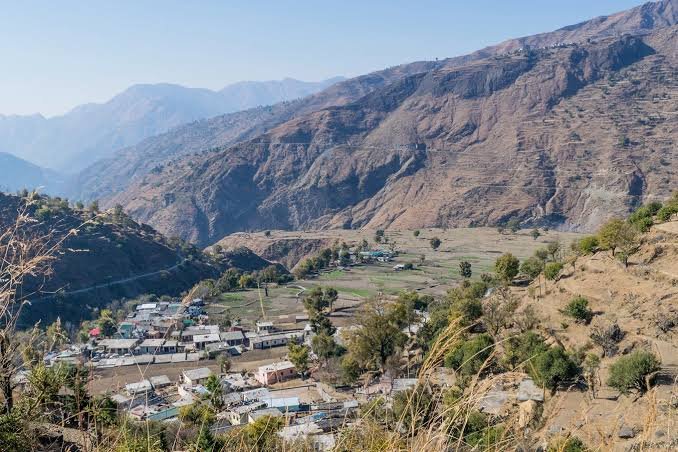
The trek begins from the peaceful village of Pantwari, around 90 km from Dehradun. As you leave the village behind, the trail passes through oak and rhododendron forests, open meadows, and scenic mountain ridges before reaching the summit. On a clear day, trekkers are rewarded with panoramic views of some of the most famous Himalayan peaks, including Bandarpoonch, Swargarohini, Kedarnath, Gangotri, Srikantha, and Black Peak.
Unlike many high-altitude Himalayan treks, Nag Tibba is suitable for first-time trekkers because the route is well-marked, the altitude is moderate, and the daily walking distance is manageable. It offers the perfect balance of adventure, natural beauty, and accessibility, making it one of the most popular weekend treks in North India.
Nag Tibba Trek Overview
| Particular | Details |
| Trek Duration | 2 Days / 1 Night |
| Pickup & Drop | Dehradun |
| Trek Distance | Approx. 16 km |
| Maximum Altitude | 9,910 ft (3,022 m) |
| Difficulty | Easy to Moderate |
| Base Village | Pantwari |
| Region | Tehri Garhwal, Uttarakhand |
| Best Season | September to June |
| Accommodation | Alpine Camps |
| Suitable For | Beginners, Families & Weekend Trekkers |
Why Choose the Nag Tibba Trek With GoAdven India?
There are plenty of trekking destinations in Uttarakhand, but Nag Tibba Trek 2026 stands out because it is easy to reach and can be completed over a weekend without compromising on the Himalayan experience.
Here are a few reasons why thousands of trekkers choose Nag Tibba every year:
- Perfect weekend trek from Dehradun and Delhi.
- Beginner-friendly with a well-defined trail.
- Panoramic Himalayan summit views.
- Dense oak and rhododendron forests.
- Beautiful campsite under a star-filled sky.
- Snow trek during winter months.
- Ideal for solo travellers, groups, and families.
- Great introduction to Himalayan trekking.
Whether you’re planning your first trek or simply looking for a refreshing escape from city life, Nag Tibba Trek from Dehradun offers an unforgettable mountain experience in just two days.

Trek Highlights
- Summit at 9,910 ft (3,022 m).
- Approx. 16 km round-trip trek.
- Scenic drive from Dehradun to Pantwari.
- Camping in the Himalayan wilderness.
- Sunrise from the Nag Tibba summit.
- Views of Bandarpoonch, Swargarohini, Kedarnath, Gangotri, Srikantha, and Black Peak.
- Beautiful oak and rhododendron forests.
- Snow-covered trails during winter.
- Suitable for beginners with basic fitness.
Is the Nag Tibba Trek Worth It?
Absolutely.
If you have only a weekend but still want to experience the Himalayas, it’s difficult to find a better trek than Nag Tibba. The trail is short enough for beginners yet rewarding enough for experienced trekkers. You’ll enjoy peaceful forests, mountain camps, fresh air, and breathtaking summit views—all within two days.
For those starting their trekking journey, Nag Tibba is often the first step towards bigger Himalayan adventures like Brahmatal Trek, Kedarkantha Trek, Kuari Pass, or Roopkund Trek.
In the next section, we’ll cover the complete 2-day itinerary, including the drive from Dehradun to Pantwari, trekking distance, campsites, summit day, and what you can expect on each stage of the journey.
Nag Tibba Trek Itinerary (2 Days / 1 Night)
One of the biggest advantages of the Nag Tibba Trek is that it can be completed over a weekend without taking a long break from work or college. The trail is well-marked, the daily walking distance is comfortable, and every stage of the journey offers beautiful views of forests, mountains, and traditional Garhwali villages.
Day 1: Dehradun → Pantwari Village → Nag Tibba Base Camp
Drive Distance: Approx. 90 km
Drive Time: 3–4 Hours
Trek Distance: Approx. 4–5 km
Trek Time: 3–4 Hours
Your journey begins in the morning from Dehradun, where you’ll meet the trek team at the designated pickup point. After a short briefing, the drive heads towards Pantwari Village, the starting point of the trek.
The route passes through Mussoorie Road, Nainbagh, and small Garhwali villages, offering beautiful views of valleys and terraced fields. After reaching Pantwari, you can freshen up, enjoy lunch, and prepare for the trek.
The trail starts with a gradual climb through village paths before entering dense oak and rhododendron forests. As you gain altitude, you’ll come across open clearings that offer beautiful views of the surrounding mountains.
After trekking for about 3 to 4 hours, you’ll reach the Nag Tibba Base Camp, located in a peaceful meadow surrounded by forest.
The evening is one of the highlights of the trek. Relax with a cup of tea, enjoy the sunset, and spend the night camping under a sky full of stars. Dinner is served at the campsite before you retire to your tents.
Day 1 Highlights
- Scenic drive from Dehradun to Pantwari
- Walk through oak and rhododendron forests
- Beautiful mountain views
- Camping in the Himalayas
- Bonfire (subject to forest regulations and weather conditions)
- Freshly prepared dinner at the campsite
Day 2: Base Camp → Nag Tibba Summit → Pantwari → Dehradun
Trek Distance: Approx. 11–12 km
Trek Time: 6–7 Hours
Drive: Pantwari to Dehradun
Wake up early to witness a beautiful Himalayan sunrise before starting the final climb towards the summit.
The trail gradually ascends through forest sections and open ridges before reaching the Nag Tibba Summit (9,910 ft / 3,022 m).
On a clear day, the summit rewards you with spectacular panoramic views of some of the most famous Himalayan peaks, including:
- Bandarpoonch
- Swargarohini
- Kedarnath Peak
- Gangotri Peaks
- Srikantha
- Black Peak (Kalanag)
Spend some time at the summit enjoying the scenery and taking photographs before beginning the descent.
The return journey follows the same trail back to the campsite for breakfast. After packing up, continue trekking down to Pantwari Village, where your vehicle will be waiting for the drive back to Dehradun.
Most groups reach Dehradun by evening, making the trek ideal for a weekend getaway.

Day 2 Highlights
- Early morning summit climb
- 360-degree Himalayan views
- Sunrise photography
- Descent through forests
- Return to Pantwari
- Evening arrival in Dehradun
Route Map
Dehradun → Pantwari → Nag Tibba Base Camp → Nag Tibba Summit → Base Camp → Pantwari → Dehradun
This is an out-and-back route, allowing trekkers to enjoy the changing scenery during both the ascent and descent.
Trek Distance & Walking Time
| Day | Distance | Time |
| Day 1 | 4–5 km | 3–4 Hours |
| Day 2 | 11–12 km | 6–7 Hours |
| Total | Approx. 16 km | 9–11 Hours |
Trail Conditions
The Nag Tibba trail is well-defined and easy to follow. Most of the route passes through:
- Village trails
- Oak forests
- Rhododendron forests
- Rocky mountain paths
- Open meadows
- Summit ridge
There are no technical climbing sections, making it suitable for beginners with a reasonable level of fitness.
Best Time to Visit Nag Tibba Trek, Weather, Temperature & Difficulty
One of the reasons why the Nag Tibba Trek is so popular is that it can be enjoyed for most of the year. Whether you want lush green forests, clear Himalayan views, or a snow-covered winter trail, Nag Tibba offers a different experience in every season.
The best trekking season is from September to June. The monsoon months (July and August) usually receive heavy rainfall, making the trail slippery and reducing mountain visibility.
Month-wise Weather & Temperature
| Month | Day Temperature | Night Temperature | Trek Conditions |
| September | 15°C – 22°C | 8°C – 12°C | Fresh greenery after monsoon, clear views |
| October | 10°C – 18°C | 4°C – 8°C | Pleasant weather, excellent visibility |
| November | 8°C – 15°C | 0°C – 5°C | Cool weather, golden forests |
| December | 5°C – 12°C | -3°C – 2°C | Snowfall usually begins |
| January | 2°C – 10°C | -5°C – 0°C | Snow-covered trail, winter trek |
| February | 4°C – 12°C | -3°C – 2°C | Snow remains on higher sections |
| March | 8°C – 16°C | 2°C – 6°C | Pleasant weather, rhododendrons start blooming |
| April | 12°C – 20°C | 5°C – 8°C | Green forests and comfortable trekking |
| May | 15°C – 24°C | 8°C – 12°C | Ideal weather for beginners |
| June | 18°C – 26°C | 10°C – 14°C | Warm days, cool nights |
| July–August | 18°C – 24°C | 12°C – 16°C | Heavy rain, slippery trails (not recommended) |
Note: Temperatures can vary depending on weather conditions and campsite altitude.
Best Season for Nag Tibba Trek
September to November
After the monsoon, the forests become fresh and green, while the skies remain crystal clear. This is one of the best seasons for photography, with excellent views of the Himalayan peaks.
December to February
Winter transforms Nag Tibba into a snowy paradise. Fresh snowfall, frozen trails, and white forests make this one of the most popular snow treks near Dehradun. Carry proper winter clothing if you’re trekking during this season.
March to June
Spring and early summer bring pleasant temperatures and blooming rhododendron forests. The weather remains comfortable during the day, making it an excellent season for beginners and families.
Does Nag Tibba Receive Snowfall?
Yes. Snowfall usually begins in late December and continues through January and February. Depending on the weather, snow may also be present in early March.
Winter is the best time for trekkers who want to experience camping and trekking in snow without attempting a high-altitude expedition.
Nag Tibba Trek Difficulty
The Nag Tibba Trek is rated Easy to Moderate.
It is one of the best Himalayan treks for beginners because the trail is well-defined, the altitude is moderate, and there are no technical climbing sections.
Difficulty Overview
| Particular | Details |
| Difficulty | Easy to Moderate |
| Maximum Altitude | 9,910 ft (3,022 m) |
| Trek Distance | Approx. 16 km |
| Trek Duration | 2 Days / 1 Night |
| Daily Trekking | 3–7 Hours |
Although beginner-friendly, the trail includes continuous uphill sections that require a reasonable level of stamina.
Who Can Do This Trek?
The Nag Tibba Trek is suitable for:
- First-time trekkers
- Families with children above 10 years
- Solo travellers
- College groups
- Corporate groups
- Nature lovers
- Weekend adventure seekers
If you can comfortably walk for 5–6 hours with short breaks, you can complete this trek without much difficulty.
Fitness Preparation
You don’t need to be an athlete, but a little preparation will make the trek much more enjoyable.
A few weeks before your trek, try to:
- Walk or jog for 30–45 minutes daily.
- Climb stairs for 15–20 minutes.
- Do simple exercises like squats, lunges, and planks.
- Stay hydrated and maintain a balanced diet.
Good fitness helps reduce fatigue and allows you to enjoy the trek instead of struggling on the climbs.
Is There a Risk of AMS?
Since the highest point of the trek is 9,910 ft, the risk of Acute Mountain Sickness (AMS) is relatively low compared to higher Himalayan treks.
However, some people may experience mild symptoms such as:
- Headache
- Fatigue
- Shortness of breath during steep climbs
To reduce the risk:
- Drink plenty of water.
- Walk at a steady pace.
- Eat regular meals.
- Avoid alcohol before and during the trek.
- Inform your trek leader if you feel unwell.
Nag Tibba Trek Cost, Package Inclusions, Accommodation & Food
Before booking your Nag Tibba Trek, it’s important to understand what is included in the package and what expenses you may need to plan separately. Most trekking operators offer a 2 Days / 1 Night package that includes transportation, camping, meals, permits, and the support of experienced trek leaders.

Nag Tibba Trek Cost
The average cost of the Nag Tibba Trek Price depends on whether transportation from Dehradun is included.
| Package Type | Approx. Cost |
| Trek Only (Pantwari to Pantwari) | ₹1,800 – ₹2,500 |
| With Transport from Dehradun | ₹2,500 – ₹3,500 |
Note: Prices may vary depending on the season, group size, and services included
Package Inclusions
A standard Nag Tibba Trek package generally includes:
- Transport from Dehradun to Dehradun (if selected)
- Stay in alpine tents on a sharing basis
- Sleeping bags, mattress, and camping equipment
- 1 Breakfast, 2 Lunches & 1 Dinner
- Morning and evening tea
- Evening snacks
- Experienced trek leader and local guide
- Support staff and cook
- Forest entry permits
- Basic first-aid kit
- Offloading facility for extra luggage at Pantwari (not during the trek)
Package Exclusions
The following items are usually not included:
- Personal expenses
- Travel to Dehradun
- Trekking gear on rent
- Personal medicines
- Travel insurance
- Porter or mule charges
- Emergency evacuation expenses
- Any expenses caused by roadblocks, bad weather, or natural calamities
Accommodation
Pantwari
Freshen-up facilities are available before the trek begins. Most trekkers start trekking on the same day after lunch.
During the Trek
Accommodation is provided in high-quality alpine tents on a twin or triple-sharing basis.
The campsite usually includes:
- Sleeping tents
- Dining tent
- Kitchen tent
- Toilet tent
- Mattress and sleeping bag
Camping at Nag Tibba offers a peaceful experience surrounded by forests and mountain views.
Food During the Trek
Fresh vegetarian meals are prepared by the campsite kitchen team.
A typical menu includes:
Lunch
- Rice
- Dal
- Seasonal vegetables
- Chapati
- Salad
- Pickle
Evening
- Tea/Coffee
- Soup
- Light snacks
Dinner
- Rice
- Dal
- Chapati
- Mixed vegetables
- Dessert (occasionally)
Breakfast
- Paratha
- Poha
- Upma
- Bread & Jam
- Tea/Coffee
The exact menu may vary depending on weather conditions and campsite logistics.
Trekking Equipment on Rent
If you don’t have your own trekking gear, you can rent it before starting the trek.
Common rental items include:
| Equipment | Approx. Rent |
| Trekking Shoes | ₹400–₹700 |
| Trekking Pole | ₹200–₹300 |
| Jacket | ₹500–₹700 |
| Backpack | ₹400–₹600 |
| Head Torch | ₹150–₹250 |
| Poncho | ₹150–₹250 |
Rental prices may vary slightly depending on availability.
Things to Check Before Booking
Before confirming your trek, make sure you know:
- Pickup location and reporting time in Dehradun.
- Whether transport is included.
- Group size.
- Camping arrangements.
- Cancellation policy.
- Equipment included in the package.
- Any additional charges for rentals or personal expenses.
Booking with an experienced local trekking organisation ensures better safety, knowledgeable guides, and a smoother overall experience.
How to Reach Nag Tibba Trek, Packing List, Safety & FAQs
How to Reach Nag Tibba Trek
The trek starts from Pantwari Village, which is around 90 km from Dehradun. Most trekking groups provide pickup and drop from Dehradun Railway Station or ISBT, making the journey convenient for travellers arriving from Delhi and other cities.
By Air
The nearest airport is Jolly Grant Airport, Dehradun, located about 60 km from the pickup point.
By Train
The nearest railway station is Dehradun Railway Station, which has regular trains from Delhi, Mumbai, Kolkata, Lucknow, and other major cities.
By Road
Dehradun is well connected by Volvo buses and private buses from Delhi, Chandigarh, Haridwar, and nearby cities.
Mobile Network & ATM
- Mobile networks like Jio, Airtel, BSNL, and VI work well in Pantwari Village.
- Network coverage becomes weak after you start trekking.
- ATMs are available in Dehradun and Nainbagh. Carry enough cash before reaching Pantwari, as digital payments may not work everywhere.
Essential Packing List
Carry only what you need to keep your backpack light.
Clothing
- 2 Quick-dry T-shirts
- 1 Trekking pant
- Warm fleece
- Down jacket (winter)
- Rain jacket/Poncho
- Woollen cap
- Gloves
- 2–3 pairs of socks
Gear
- Trekking shoes with good grip
- Backpack (30–40 L)
- Water bottles (2 litres)
- Sunglasses
- Sunscreen
- Head torch
- Power bank
- Trekking pole (recommended)
Personal Items
- Government ID
- Personal medicines
- Toiletries
- Energy bars or dry fruits
Safety Tips
The Nag Tibba Trek is beginner-friendly, but basic precautions are still important.
- Walk at a comfortable pace.
- Stay hydrated throughout the trek.
- Wear proper trekking shoes.
- Follow your trek leader’s instructions.
- Do not litter on the trail.
- Carry warm clothing, even during summer.
- Avoid trekking alone after sunset.
Acute Mountain Sickness (AMS)
Since the highest point is 9,910 ft (3,022 m), the risk of AMS is low. However, some trekkers may experience mild headaches or tiredness.
To minimise the risk:
- Drink plenty of water.
- Eat regular meals.
- Avoid alcohol before and during the trek.
- Inform your trek leader immediately if you feel unwell.
Frequently Asked Questions
1. Is Nag Tibba Trek suitable for beginners?
Ans. Yes. It is one of the best beginner-friendly treks in Uttarakhand.
2. How many days are required?
Ans. The trek is usually completed in 2 Days / 1 Night.
3. What is the maximum altitude?
Ans. Approximately 9,910 ft (3,022 m).
4. When is the best time to visit?
Ans. September to June is the best trekking season. For snowfall, visit between late December and February.
5. Does it snow on Nag Tibba?
Ans. Yes. Snowfall is common during winter, especially in January and February.
6. What is the total trekking distance?
Ans. Approximately 16 km.
7. Is camping included?
Ans. Yes. Most trek packages include camping in alpine tents.
8. Can I rent trekking equipment?
Ans. Yes. Trekking shoes, jackets, backpacks, trekking poles, and head torches are available on rent.
9. Are washrooms available?
Ans. Basic toilet tents are available at the campsite.
10. Is mobile network available?
Ans. Network is available in Pantwari but becomes limited during the trek.