
Brahmatal Trek Complete Guide 2026: Route, Itinerary, Cost, Best Time, Weather & Packing List

Part 1 – Introduction, Overview, Route & Detailed Itinerary
Brahmatal Trek – A Winter Trek That Feels Like a Himalayan Fairytale
Imagine standing on a snow-covered ridge early in the morning. The sun slowly rises behind the mighty Mt. Trishul and Nanda Ghunti, painting the white Himalayan peaks in shades of golden orange. Below you lies a frozen alpine lake surrounded by silent forests of oak and rhododendron, while every step crunches softly on fresh snow. This is the magic of the brahmatal trek, one of Uttarakhand’s most beautiful winter treks.
Located in the Chamoli district of Uttarakhand, the Brahmatal Trek has become one of the most popular Himalayan treks in India. Unlike many high-altitude winter treks that demand advanced trekking experience, Brahmatal offers an excellent balance of adventure, scenic beauty, and accessibility. It is ideal for beginners who want to experience snow trekking for the first time, making the brahmatal trek for beginners a practical choice, as well as experienced trekkers looking for spectacular Himalayan views.
One of the biggest reasons trekkers choose Brahmatal is its incredible mountain panorama. Throughout the trek, you’ll enjoy uninterrupted views of famous Himalayan peaks including Mt. Trishul (7,120 m), Mt. Nanda Ghunti (6,309 m), Chaukhamba, Neelkanth, Hathi-Ghoda, and many other snow-clad giants. Few winter treks in India offer such expansive mountain vistas without requiring technical climbing skills.
The journey begins from the peaceful mountain village of Lohajung, which serves as the base camp. From here, the trail gradually climbs through dense forests, traditional villages, open meadows, frozen lakes, and snow-covered ridges before reaching the breathtaking Brahmatal summit area.

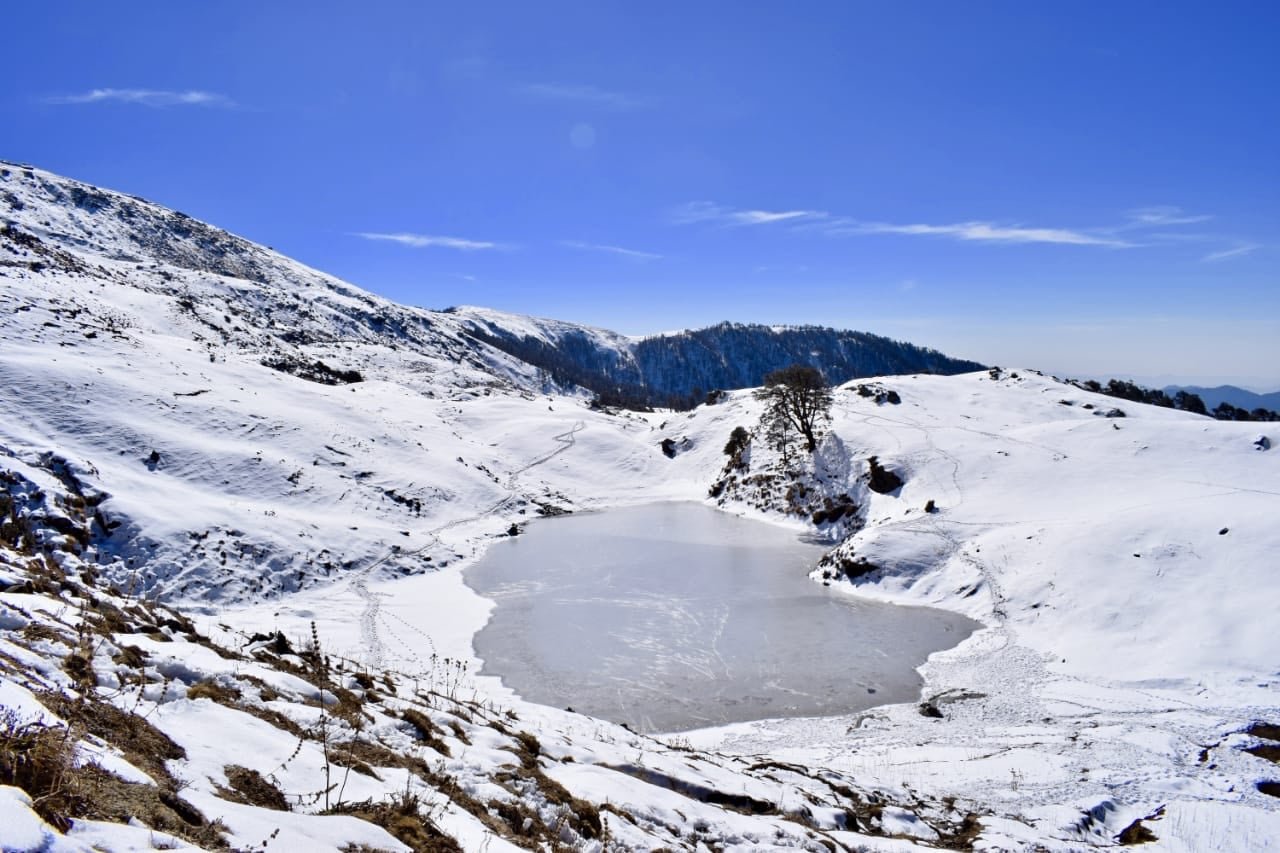
Another unique feature of the Brahmatal Trek is the presence of two beautiful alpine lakes—Bekaltal and Brahmatal. During winter, both lakes often freeze completely, creating postcard-perfect scenery that feels almost unreal. Walking beside a frozen Himalayan lake surrounded by snow-covered forests is an experience that stays with trekkers long after the journey ends.
Although Brahmatal is widely known as a winter trek, it remains beautiful in every season. Spring brings blooming rhododendrons, autumn offers crystal-clear mountain views, and early winter transforms the entire landscape into a white wonderland. Every month presents a slightly different personality of the trail.
Whether you’re planning your first Himalayan trek or searching for your next mountain adventure, Brahmatal offers an unforgettable combination of forests, alpine lakes, snowfields, ridgelines, and panoramic Himalayan views—all packed into a well-balanced multi-day journey.
Brahmatal Trek Overview: Route, Season & Experience
The Brahmatal Trek is located in the Garhwal Himalayas of Uttarakhand and is considered one of the finest winter treks in India. Starting from Lohajung village, the trail winds through ancient oak forests, beautiful clearings, frozen lakes, and high-altitude ridges before reaching the Brahmatal summit area at approximately 12,250 feet (3,735 meters).
The trek is known for its moderate difficulty level, making it suitable for both beginners and experienced trekkers with a reasonable level of fitness. Unlike many Himalayan treks where forests disappear after the first day, Brahmatal offers a changing landscape throughout the journey. Dense forests gradually give way to wide-open meadows and exposed ridgelines with uninterrupted Himalayan views.
During the winter months of December to March, snowfall transforms the trail, which is why the brahmatal trek in winter is especially popular into one of India’s most scenic snow treks. The forests become blanketed in fresh snow, the lakes freeze over, and the surrounding peaks look even more dramatic against the blue winter sky.
One of the trek’s biggest attractions is its panoramic summit view. On a clear day, trekkers can witness an almost continuous chain of Himalayan peaks stretching across the horizon. Mt. Trishul dominates the skyline, while Nanda Ghunti appears incredibly close, making the summit one of the best viewpoints in Uttarakhand.
Apart from natural beauty, the trek also offers a glimpse into the simple mountain lifestyle of the local communities living around Lohajung and nearby villages. Their hospitality, traditional homes, and rich Garhwali culture add another memorable dimension to the overall experience.
Quick Facts About Brahmatal Trek
| Particular | Details |
|---|---|
| Trek Name | Brahmatal Trek |
| Location | Chamoli District, Uttarakhand |
| Base Camp | Lohajung |
| Duration | 5 Days / 4 Nights |
| Trek Distance | Approx. 24 km |
| Maximum Altitude | 12,250 ft (3,735 m) |
| Difficulty | Easy to Moderate |
| Best Season | December to March (Snow), October-November & April |
| Starting Point | Lohajung |
| Nearest Railway Station | Rishikesh |
| Nearest Airport | Jolly Grant Airport, Dehradun |
| Network | Available in Lohajung, limited during trek |
| ATM | Available at Dewal (cash availability may vary) |
| Temperature | +12°C to -8°C depending on season |
Why Choose the Brahmatal Trek?
Every Himalayan trek has its own personality. Some are known for alpine meadows, some for glaciers, and others for challenging summit climbs. Brahmatal is special because it combines almost everything that trekkers dream of experiencing in the Himalayas.
The biggest attraction is undoubtedly its spectacular mountain views. Unlike many treks where major peaks become visible only at the summit, Brahmatal rewards trekkers with magnificent Himalayan panoramas throughout the journey. Watching Mt. Trishul and Nanda Ghunti glowing during sunrise is a memory that stays with most trekkers forever.
The trail also offers remarkable variety. Within just a few days, you’ll walk through dense forests filled with ancient oak and rhododendron trees, peaceful campsites, snow-covered clearings, frozen lakes, wide ridgelines, and expansive alpine landscapes. The changing scenery keeps every day exciting.
For those planning their first winter trek, brahmatal trek for beginners is an excellent choice. The gradual ascent allows your body to adjust comfortably to the altitude, while the moderate difficulty makes the trek achievable for anyone who prepares with basic fitness beforehand.
Photography enthusiasts particularly love Brahmatal because almost every section of the trail offers postcard-worthy landscapes. From misty forests and frozen lakes to panoramic mountain ranges and golden sunrise views, every day presents new opportunities for capturing unforgettable moments.
Brahmatal Trek Highlights
-
Snow-covered forests during winter.
-
Frozen Bekaltal and Brahmatal lakes.
-
Stunning sunrise over Mt. Trishul.
-
Panoramic views of Nanda Ghunti, Chaukhamba, Neelkanth, Hathi-Ghoda, and other Himalayan peaks.
-
Peaceful campsites surrounded by nature.
-
Beautiful oak and rhododendron forests.
-
Beginner-friendly winter trekking experience.
-
Wide open ridgelines with uninterrupted Himalayan scenery.
-
Traditional Garhwali villages and local culture.
-
One of the best Himalayan winter treks in India.
Brahmatal Trek Route Overview
The adventure begins with a scenic drive from Kathgodam (or Dehradun via Rishikesh) to Lohajung, a peaceful mountain village located at around 7,600 feet. Lohajung serves as the base camp for several famous Himalayan treks and offers spectacular views even before the trek begins.
From Lohajung, the trail gradually climbs through dense forests toward Bekaltal, a serene alpine lake surrounded by towering oak trees. After spending a night near Bekaltal, trekkers continue through forests and snowfields to Brahmatal campsite.
The following day is the most exciting as the trail ascends toward Brahmatal Top. The summit ridge offers one of the finest panoramic views in Uttarakhand before descending back to camp.
The return journey follows a different section of the trail, passing through Jhandi Top before reaching Lohajung again, making the trek feel fresh rather than repetitive.
Detailed brahmatal trek itinerary: Day-wise Plan
Day 1: Rishikesh to Lohajung (250 km | 9–10 Hours Drive)
Your journey to the Brahmatal Trek begins early in the morning from Rishikesh. As you leave the city behind, the road gradually climbs into the Garhwal Himalayas, passing through Devprayag, Srinagar, Rudraprayag, Karnaprayag, Tharali, and Deval before finally reaching the peaceful village of Lohajung.
The drive itself is one of the highlights of the trip, offering beautiful views of river valleys, pine forests, traditional mountain villages, and winding Himalayan roads. By evening, you’ll arrive in Lohajung, the base camp for the Brahmatal Trek.
After checking into the guesthouse, you’ll meet your trek leader and fellow trekkers for a detailed briefing about the upcoming adventure. The evening is a good time to organize your backpack, enjoy a warm dinner, and soak in the peaceful mountain atmosphere before the trek begins.
Overnight Stay: Guesthouse in Lohajung (Altitude: approx. 7,600 ft / 2,316 m)
Day 2: Lohajung to Bekaltal (6 km Trek | 4–5 Hours)
After an early breakfast, the trek officially begins from Lohajung. The trail gradually climbs through dense forests of oak and rhododendron, offering a refreshing walk beneath towering trees. As you gain altitude, you’ll occasionally catch your first views of the snow-covered Himalayan peaks.
The route is well-paced, making it comfortable for beginners while allowing everyone to enjoy the surrounding nature. During winter, sections of the trail are often covered in fresh snow, adding a magical touch to the journey.
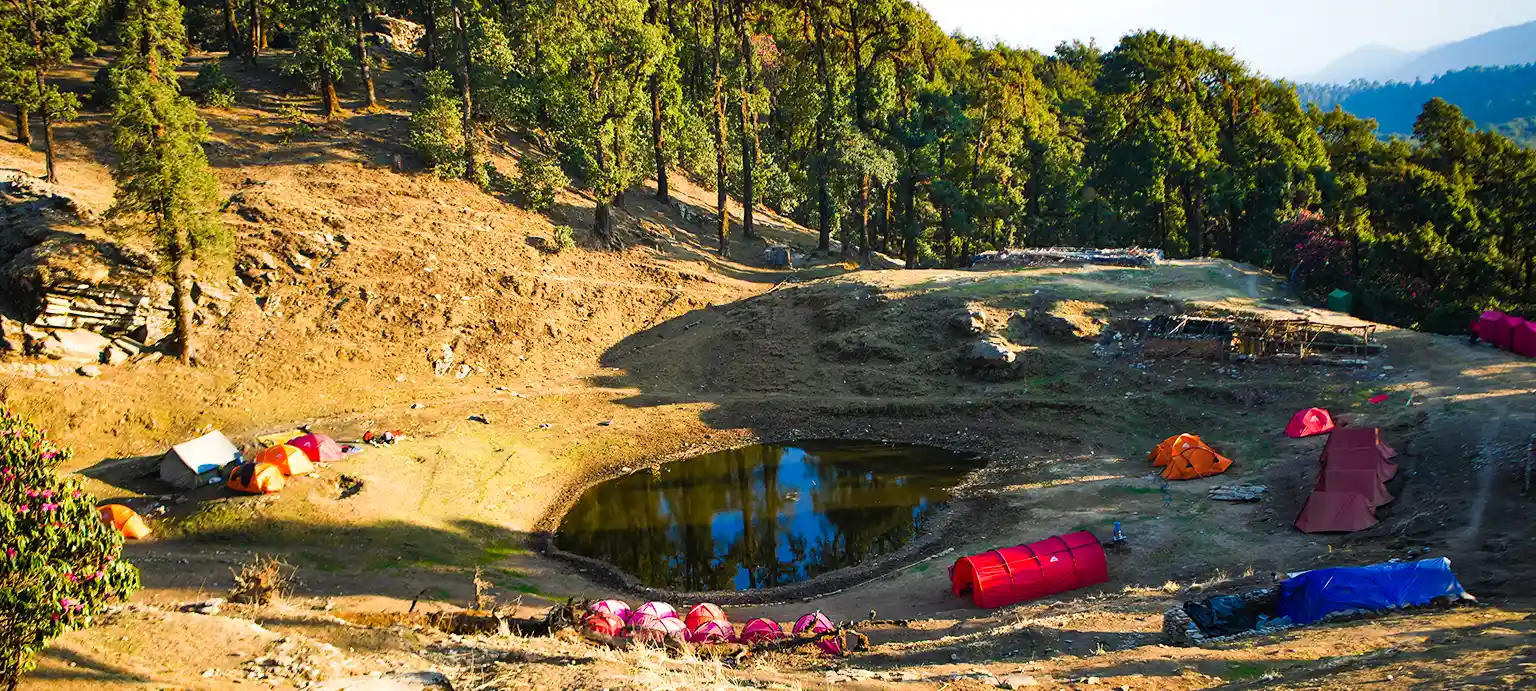
By afternoon, you’ll reach Bekaltal, a beautiful alpine lake nestled deep within the forest. In the winter months, the lake is usually frozen, creating one of the most picturesque camping locations in Uttarakhand. Surrounded by snow-covered trees and complete mountain silence, Bekaltal offers an unforgettable camping experience.
Spend the evening relaxing around the campsite, enjoying hot snacks, and watching the changing colors of the surrounding mountains before dinner.
Overnight Stay: Campsite at Bekaltal (Altitude: approx. 9,885 ft / 3,013 m)
Day 3: Bekaltal to Brahmatal Base (7 km Trek | 5–6 Hours)
Today’s trek takes you deeper into the Himalayan wilderness. After breakfast, you’ll continue climbing through beautiful forests before emerging onto open ridgelines that offer breathtaking panoramic views of the surrounding peaks.
As the forest begins to thin out, the landscape changes dramatically. Snow-covered slopes, vast mountain meadows, and towering Himalayan peaks begin to dominate the scenery. On clear days, magnificent mountains like Mt. Trishul and Mt. Nanda Ghunti remain visible for much of the route.
After several hours of trekking, you’ll reach the Brahmatal Base campsite, located in an open alpine setting with spectacular views all around. The peaceful surroundings, crisp mountain air, and unforgettable sunset make this one of the most scenic campsites of the entire trek.
If weather conditions permit, you can also take a short walk to explore the nearby Brahmatal Lake, which often remains partially or completely frozen during winter.
Overnight Stay: Campsite at Brahmatal Base (Altitude: approx. 10,450 ft / 3,185 m)
Day 4: Brahmatal Summit and Return to Lohajung (10 km Trek)
This is the most exciting and rewarding day of the Brahmatal Trek. The day starts before sunrise as you prepare for the summit climb. Walking through the crisp mountain air with the first light of dawn illuminating the surrounding peaks is an experience that few trekkers ever forget.
The trail gradually ascends toward the Brahmatal summit ridge, where you’ll be rewarded with one of the finest panoramic viewpoints in Uttarakhand. From the top, you’ll enjoy breathtaking views of Mt. Trishul, Nanda Ghunti, Chaukhamba, Neelkanth, Hathi-Ghoda, and several other snow-covered Himalayan giants stretching across the horizon.
After spending some time at the summit for photography and soaking in the incredible scenery, you’ll begin your descent. The route leads back through forests and mountain trails before finally reaching Lohajung by evening.
After several unforgettable days in the Himalayas, returning to the comfort of the guesthouse feels especially rewarding. Celebrate the successful completion of your trek with your fellow trekkers over a warm dinner.
Overnight Stay: Guesthouse in Lohajung (Altitude: approx. 7,600 ft / 2,316 m)
Day 5: Lohajung to Rishikesh (Approx. 250 km | 9–10 Hours Drive)
After breakfast, it’s time to bid farewell to the mountains. You’ll begin the return drive from Lohajung to Rishikesh, retracing the scenic Himalayan roads through Deval, Karnaprayag, Rudraprayag, Srinagar, and Devprayag.
Although the journey back marks the end of the trek, the memories of snow-covered forests, frozen lakes, breathtaking Himalayan sunrises, and panoramic mountain views will stay with you for years to come. For many trekkers, the Brahmatal Trek becomes the beginning of a lifelong love for exploring the Himalayas.
Trip Ends: Rishikesh
Part 2 – Brahmatal Trek Cost, Package Inclusions, Best Time, Weather & Difficulty Guide
**Brahmatal Trek Cost & brahmatal trek package Pricing
One of the biggest questions trekkers ask before planning their adventure is, “How much does the Brahmatal Trek cost?” The overall cost depends on the trek operator, group size, transportation option, and the services included in the package.
Most standard brahmatal trek package options range between ₹6,500 and ₹9,500 per person for a 5 to 6 days itinerary. If transportation from Rishikesh is included, the package price generally ranges from ₹8,500 to ₹11,500 depending on the season and group size.
A well-organized trek package usually covers accommodation in Lohajung, camping during the trek, all meals from Day 1 dinner to Day 4 dinner, experienced trek leaders, local guides, permits, forest fees, camping equipment, sleeping bags, mattresses, kitchen staff, and a basic first-aid kit.
Although budget packages may seem attractive, it’s always advisable to choose a reputed local operator that prioritizes safety, experienced guides, and quality camping equipment. The Himalayas are not the place to compromise on safety for a slightly lower price.
What’s Included in the brahmatal trek package?
Most standard Brahmatal Trek packages include:
-
Transportation from Rishikesh to Lohajung and back (if selected)
-
Accommodation in Lohajung on twin or triple sharing
-
Camping accommodation during the trek
-
Nutritious vegetarian meals during the trek
-
Evening tea and snacks
-
Experienced Trek Leader
-
Certified local mountain guide
-
Forest permits and camping permits
-
Kitchen and support staff
-
Sleeping bags, tents, mattresses
-
Dining tent and toilet tent
-
Basic first-aid and medical kit
-
Microspikes and gaiters during heavy snowfall (when required)

What’s Not Included?
Generally, the following expenses are not included in the trek package:
-
Personal trekking gear and clothing
-
Trekking shoes
-
Backpack and daypack
-
Personal medicines
-
Travel insurance
-
Porter or backpack offloading charges
-
Emergency evacuation expenses
-
Meals during road journey
-
Personal expenses such as shopping, laundry, phone calls, or tips
-
Anything not specifically mentioned under inclusions
How to Reach Lohajung from Rishikesh
Lohajung, the base camp of the Brahmatal Trek, is approximately 250 km from Rishikesh and serves as the gateway to one of Uttarakhand’s most beautiful winter treks. Since your trek begins from Rishikesh, this is the most convenient and recommended starting point for participants.
The journey from Rishikesh to Lohajung takes around 9 to 10 hours, depending on road and weather conditions. The route is incredibly scenic, following the Alaknanda River through the Garhwal Himalayas and passing several famous hill towns and river confluences. Along the way, you’ll travel through Devprayag, Srinagar, Rudraprayag, Karnaprayag, Tharali, and Deval before finally reaching the peaceful mountain village of Lohajung.
Most trekking groups start early in the morning from Rishikesh to ensure they arrive in Lohajung before evening. As the drive progresses, the landscape changes from bustling towns to pine forests, deep valleys, and snow-capped Himalayan peaks, making the road journey an enjoyable part of the overall experience.
For those booking a trek package, transportation from Rishikesh to Lohajung and back is often available as an optional add-on or included service, depending on the operator. If you’re travelling independently, you can hire a private taxi from Rishikesh or use shared jeeps and local buses available from the Rishikesh bus stand. However, direct public transport to Lohajung is limited, so hiring a private vehicle or travelling with an organized trekking group is generally the most comfortable and reliable option.
Route Map
Rishikesh → Devprayag → Srinagar → Rudraprayag → Karnaprayag → Tharali → Dewal → Lohajung
Distance: Approx. 250 km
Driving Time: 9–10 Hours
Road Condition: Mostly good mountain roads with some narrow and winding sections after Karnaprayag. During winter, road conditions may vary due to snowfall, so it’s advisable to check the latest updates before travelling.
Best Time to Visit Brahmatal Trek: Snow, Weather & Seasons
One of the reasons the Brahmatal Trek is so popular is that every season offers a different experience. Whether you want to walk on fresh snow, enjoy clear Himalayan views, or trek through blooming forests, there is a suitable time for everyone.
December to February – Best for Snow Trek
Winter is undoubtedly the most popular season for Brahmatal. Heavy snowfall transforms the trail into a white paradise, and both Bekaltal and Brahmatal Lake are often frozen. Snow-covered forests, icy ridges, and crystal-clear mountain views make this the most magical time to visit.
March
Snow begins melting at lower elevations, but the upper sections still retain good snow cover. The weather becomes slightly warmer, making trekking more comfortable while still offering winter scenery.
April
The forests start coming alive with blooming rhododendrons, pleasant daytime temperatures, and clear mountain views. This is an excellent time for photographers and nature lovers.
October and November
After the monsoon, the skies become exceptionally clear. Although there is usually no snow, visibility is excellent, making these months perfect for mountain photography and peaceful trekking.
Monsoon (July to September)
The Brahmatal Trek is generally avoided during the monsoon due to slippery trails, continuous rainfall, reduced visibility, and the possibility of landslides on the approach roads.
Brahmatal Trek Month-wise Weather & Temperature
| Month | Day Temperature | Night Temperature | Trail Conditions |
|---|---|---|---|
| January | 2°C to 8°C | -8°C to -4°C | Heavy Snow |
| February | 4°C to 10°C | -6°C to -2°C | Snow Covered |
| March | 6°C to 12°C | -3°C to 2°C | Snow & Melting Ice |
| April | 8°C to 15°C | 1°C to 5°C | Pleasant Weather |
| May | 12°C to 18°C | 4°C to 8°C | Clear Trails |
| June | 15°C to 20°C | 8°C to 10°C | Warm Days |
| July | 15°C to 18°C | 10°C to 12°C | Rainy Season |
| August | 15°C to 18°C | 10°C to 12°C | Monsoon |
| September | 12°C to 18°C | 6°C to 10°C | Post Monsoon |
| October | 8°C to 16°C | 2°C to 6°C | Clear Views |
| November | 5°C to 12°C | -2°C to 3°C | Cold Evenings |
| December | 2°C to 8°C | -6°C to -2°C | Fresh Snow Begins |
Note: Temperatures are approximate and can vary depending on weather conditions, snowfall, wind chill, and campsite altitude.
Snowfall Guide
If your dream is to experience a true Himalayan snow trek, Brahmatal should be high on your list. Snowfall generally begins in late December, although early snowfall can occur in some years depending on weather conditions.
Late December usually marks the beginning of consistent snow on the trail, making brahmatal trek in december a popular choice for trekkers looking for early-season snow. By January, the entire route is typically covered in fresh snow, which makes the brahmatal trek in january ideal for a classic snow-trek experience, including Bekaltal and Brahmatal Lake, creating one of the most scenic winter landscapes in Uttarakhand.
February continues to offer excellent snow conditions, with deep snow on the upper sections and clear blue skies on many days. It is considered one of the best months for photographers and winter trekking enthusiasts.
By March, snow gradually starts melting at lower elevations, while the upper ridges and summit areas still retain patches of snow. This period offers a beautiful mix of winter scenery and relatively comfortable trekking conditions.
As snowfall depends entirely on natural weather patterns, the exact amount of snow can vary from year to year. Checking the latest trail conditions with your trek operator before departure is always recommended.
Brahmatal Trek Difficulty Level: Is It Easy for Beginners?
The brahmatal trek difficulty level is generally classified as Easy to Moderate, making it an excellent choice, making it an excellent choice for beginners as well as experienced trekkers looking for a rewarding winter adventure.
The total trekking distance is around 24 kilometres, spread over several days with gradual altitude gain. Unlike many steep Himalayan treks, the ascent on Brahmatal is steady, allowing trekkers to acclimatize comfortably.
The biggest challenge is usually the winter snow rather than the altitude itself. Walking on snow-covered trails requires extra balance and slightly more effort, but with proper trekking shoes, gaiters, and guidance from experienced trek leaders, most first-time trekkers complete the journey successfully.
A basic level of physical fitness is recommended before joining the trek. Being able to comfortably walk 5–6 kilometres, climb stairs without excessive fatigue, or jog for 30–40 minutes continuously will make the experience much more enjoyable.
The trail includes forest paths, moderate ascents, ridge walks, and snow-covered sections during winter, but there are no technical climbing sections or mountaineering skills required. With proper preparation and a positive attitude, the Brahmatal Trek is one of the safest and most rewarding introductions to Himalayan winter trekking.
Part 3 – Fitness Preparation, Packing List, Safety & Essential Information
Fitness Preparation for the Brahmatal Trek
Although the Brahmatal Trek is considered an easy to moderate Himalayan trek, it should not be underestimated. The trail includes continuous ascents, descents, snow-covered sections during winter, and long trekking hours at altitudes above 10,000 feet. Good preparation before the trek will not only make your journey more enjoyable but also reduce the risk of fatigue and altitude-related issues.
You don’t need to be an athlete to complete the Brahmatal Trek, but you should have a basic level of fitness. Ideally, begin preparing 4 to 6 weeks before your trek. Regular cardio exercises such as brisk walking, jogging, cycling, or swimming help improve stamina and lung capacity. Aim for at least 30 to 45 minutes of cardio five days a week.
Strength training is equally important. Focus on your legs, core, and lower back with exercises like squats, lunges, step-ups, planks, and stair climbing. These exercises improve balance and make it easier to walk on uneven mountain trails.
If possible, practice hiking with a backpack weighing 5–7 kg. This helps your body adapt to carrying trekking gear over long distances. Stretching after workouts improves flexibility and reduces the chances of muscle soreness during the trek.
Remember, trekking is not a race. Maintain a steady pace, stay hydrated, eat well, and listen to your trek leader’s instructions throughout the journey.

Brahmatal Trek Packing List: Complete Gear & Essentials
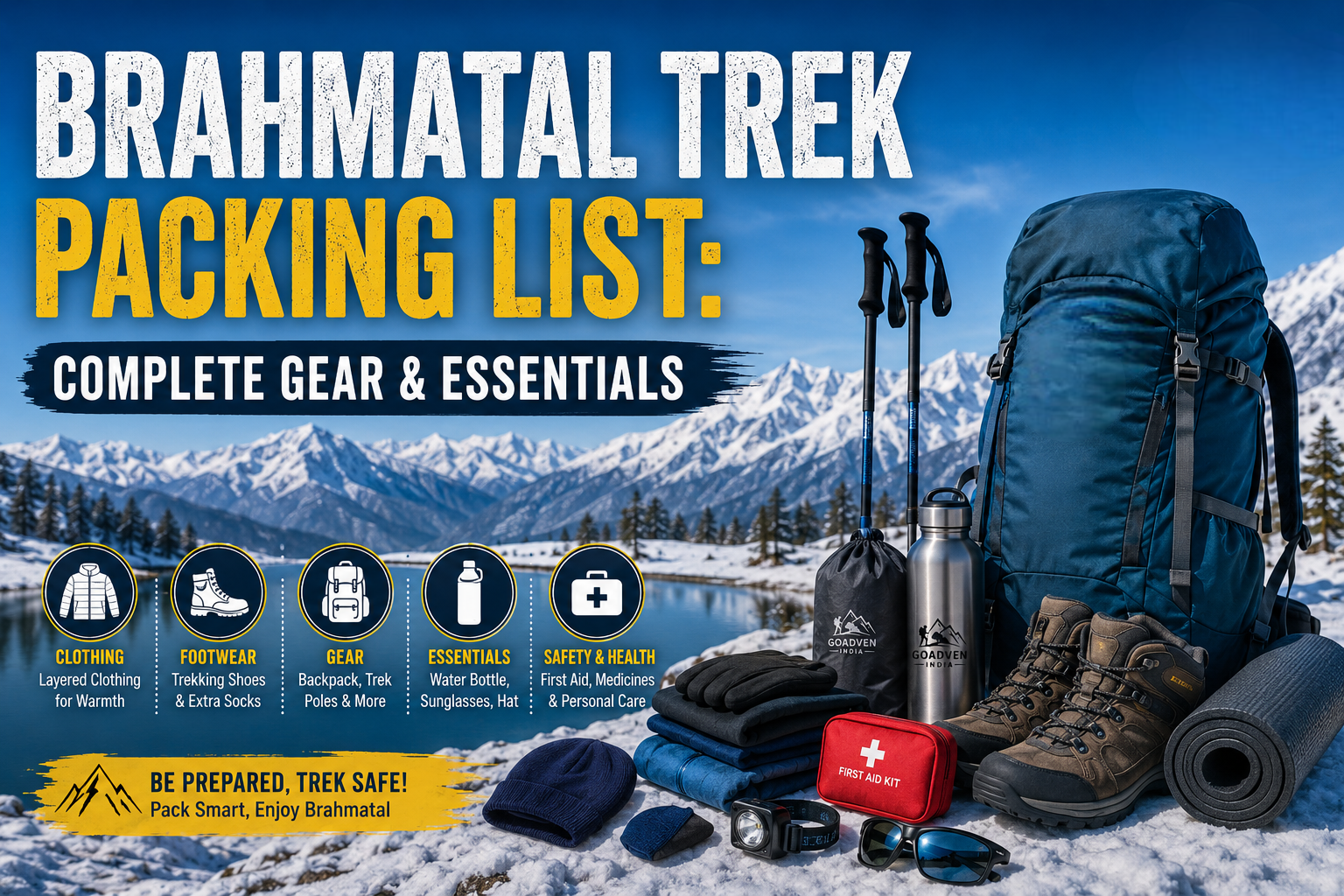
Packing wisely can make a significant difference to your trekking experience. Use this brahmatal trek packing list as a practical checklist before departure. Since weather conditions in the Himalayas can change quickly, carrying the right gear is essential.
Clothing
-
Thermal innerwear (Upper & Lower)
-
Full-sleeve quick-dry T-shirts
-
Trekking pants (2 pairs)
-
Fleece jacket
-
Heavy down jacket (Winter)
-
Waterproof rain jacket or poncho
-
Woollen cap
-
Sun cap or hat
-
Neck gaiter or buff
-
Waterproof gloves
-
Woollen gloves
-
Multiple pairs of warm socks
Footwear
-
Waterproof trekking shoes with good grip
-
Lightweight slippers or sandals for campsite
-
Gaiters (during snow season)
Backpack & Accessories
-
50–60 L trekking backpack
-
Rain cover for backpack
-
Daypack (optional)
-
Trekking pole
-
Headlamp with extra batteries
-
Water bottles or hydration bladder (2 litres total capacity)
Personal Essentials
-
Sunscreen (SPF 50+)
-
Lip balm
-
Sunglasses with UV protection
-
Moisturiser
-
Personal toiletries
-
Quick-dry towel
-
Toilet paper
-
Wet wipes
-
Hand sanitizer
Medicines
Carry your regular medicines along with:
-
Pain relief tablets
-
Medicine for fever
-
Anti-allergy tablets
-
Motion sickness medicine
-
ORS sachets
-
Band-aids
-
Antiseptic cream
-
Crepe bandage
Always consult your doctor before carrying or consuming any medication.
Food & Accommodation
One of the best parts of trekking in the Himalayas is enjoying freshly prepared meals after a long day on the trail. During the Brahmatal Trek, nutritious vegetarian food is served to keep trekkers energized throughout the journey.
A typical day starts with a hot breakfast, followed by packed or freshly prepared lunch depending on the day’s schedule. In the evening, trekkers are served tea with snacks before dinner, which usually includes rice, chapati, dal, vegetables, soup, and dessert whenever possible.
Accommodation is provided in guesthouses at Lohajung and high-quality twin or triple-sharing alpine tents during the trek. Sleeping bags, mattresses, and dining tents are provided by the trekking organization. Campsites are selected for safety, scenic beauty, and accessibility.
Drinking water is sourced from natural mountain streams and purified before consumption. Trekkers are encouraged to carry reusable water bottles instead of disposable plastic bottles.
Mobile Network & ATM
Mobile connectivity is available in Lohajung, with Jio, Airtel, BSNL, and Vi generally offering network coverage, although signal strength may vary depending on weather conditions.
Once the trek begins, mobile connectivity becomes very limited or completely unavailable for most of the route. This digital break allows trekkers to fully enjoy the beauty and peace of the Himalayas.
ATM facilities are available at Dewal, but cash availability cannot always be guaranteed. It is strongly recommended to withdraw sufficient cash before reaching Lohajung, as digital payment options may not work reliably in remote mountain areas.
Permits Required for Brahmatal Trek
The Brahmatal Trek passes through protected forest areas, so trekkers must obtain the necessary forest and camping permits before starting the trek.
If you are trekking with an organized operator, all required permits are usually arranged on your behalf and are included in the package cost. Independent trekkers should ensure they obtain the necessary permissions from the local forest authorities before entering the trekking route.
While carrying permits, you should also keep a valid government-issued photo ID such as an Aadhaar Card, Passport, Driving Licence, or Voter ID for verification purposes.
Safety Tips
The Himalayas are beautiful but unpredictable. Following a few basic safety guidelines can make your trekking experience both enjoyable and safe.
Always follow your trek leader’s instructions and never leave the designated trail without permission. Trek at your own comfortable pace instead of trying to keep up with faster walkers. Staying hydrated is equally important, even when you don’t feel thirsty during cold weather.
Dress in multiple layers instead of wearing one heavy jacket, as layering allows you to adjust according to changing temperatures. Avoid alcohol and smoking during the trek, especially at higher altitudes, as they increase the risk of dehydration and altitude sickness.
Check your trekking shoes before departure to ensure they are well broken in. New shoes can cause painful blisters that may affect your entire trek.
Keep your backpack light and carry only essential items. A lighter backpack reduces fatigue and makes walking on steep trails much easier.
AMS (Acute Mountain Sickness) Guide
Although the Brahmatal Trek reaches a moderate altitude of approximately 12,250 feet, there is still a possibility of experiencing Acute Mountain Sickness (AMS). Most trekkers complete the trek without any problems, but understanding the symptoms helps ensure your safety.
Common symptoms include headache, nausea, dizziness, unusual tiredness, shortness of breath while resting, difficulty sleeping, and loss of appetite.
The best way to prevent AMS is to stay hydrated, avoid rushing, eat regular meals, and maintain a slow, steady walking pace. Avoid alcohol and smoking during the trek, and always inform your trek leader immediately if you experience any symptoms.
Never ignore severe symptoms such as persistent vomiting, confusion, inability to walk properly, or breathing difficulty. In such cases, descending to a lower altitude is the safest and most effective treatment.
Responsible Trekking
The Himalayas are among India’s most fragile ecosystems. Every trekker has a responsibility to help preserve these mountains for future generations.
Carry all your waste back to the base camp, including plastic wrappers, tissues, and bottles. Avoid littering, damaging vegetation, or disturbing wildlife. Use reusable water bottles wherever possible instead of single-use plastic bottles.
Respect local customs and traditions while passing through mountain villages. Seek permission before photographing local residents, and maintain silence around temples and religious sites.
Stay on the designated trekking trail to prevent unnecessary damage to alpine vegetation, which takes years to recover in high-altitude environments.
Leave the mountains cleaner than you found them—that is the true spirit of responsible trekking.
Photography Tips
The Brahmatal Trek is a paradise for photographers, offering everything from snow-covered forests and frozen lakes to golden sunrises and breathtaking Himalayan panoramas.
The best time for landscape photography is during the golden hours—shortly after sunrise and just before sunset—when the light is soft and the mountains glow with warm colours. Carry spare batteries, as cold weather drains camera batteries much faster than usual.
Protect your camera from moisture and snowfall by storing it in a waterproof bag when not in use. If you’re carrying a drone, make sure to check local regulations and obtain any necessary permissions before flying.
For smartphone users, enabling HDR mode and cleaning the camera lens regularly can significantly improve photo quality. Remember to spend some time simply enjoying the views instead of looking at them only through a camera lens. Some of the best memories from the Himalayas are the ones that remain in your heart rather than on a memory card.
Brahmatal Trek FAQs (2026): Package, Difficulty, Winter & Packing
1. Where is the Brahmatal Trek located?
The Brahmatal Trek is located in the Chamoli district of Uttarakhand, India. The trek starts from Lohajung, a small mountain village in the Garhwal Himalayas known for its stunning views and peaceful surroundings.
2. What is the maximum altitude of the Brahmatal Trek?
The highest point of the trek is approximately 12,250 ft (3,735 metres) above sea level.
3. Is the Brahmatal Trek suitable for beginners?
Yes. The Brahmatal Trek is considered an easy to moderate Himalayan trek and is one of the best choices for beginners who want to experience snow trekking. Basic fitness and a positive attitude are enough to complete the trek comfortably.
4. What is the best time to do the Brahmatal Trek?
The best time depends on the experience you’re looking for.
-
December to February: Best for snowfall and frozen lakes.
-
March: Snow with comparatively pleasant weather.
-
April: Rhododendron blooms and clear mountain views.
-
October and November: Crisp weather and excellent visibility.
5. How many days are required for the Brahmatal Trek?
A standard brahmatal trek itinerary from Rishikesh to Rishikesh takes 5 Days and 4 Nights.
6. How difficult is the Brahmatal Trek?
The trek is rated as easy to moderate. The trail includes gradual ascents, forest walks, snow-covered sections during winter, and moderate altitude gain, making it suitable for first-time trekkers with reasonable fitness.
7. Is there snowfall on the Brahmatal Trek?
Yes. Snowfall usually starts in late December and continues through January and February. During these months, the trail, campsites, and alpine lakes are often covered in snow.
8. Which mountains are visible from the Brahmatal Trek?
On a clear day, trekkers can enjoy spectacular views of Mt. Trishul, Mt. Nanda Ghunti, Chaukhamba, Neelkanth, Hathi-Ghoda, and several other Himalayan peaks.
9. What is the total trekking distance?
The total trekking distance is approximately 24–28 kilometres, depending on the exact route and campsite locations.
10. What kind of accommodation is available?
Accommodation includes comfortable guesthouses in Lohajung and alpine tents on the trek. Tents are generally on twin or triple-sharing basis, with sleeping bags and mattresses provided by the trek operator.
11. Is drinking water available during the trek?
Yes. Water is collected from natural mountain sources and purified before drinking. Carrying reusable water bottles is recommended.
12. Are washroom facilities available?
Basic toilet tents are available at campsites. Since this is a Himalayan trek, luxury washroom facilities should not be expected.
13. What food is served during the trek?
Fresh vegetarian meals are served throughout the trek, including breakfast, lunch, evening snacks, soup, dinner, tea, and coffee. The menu is designed to provide sufficient energy for trekking at high altitude.
14. Is mobile network available?
Mobile networks such as Jio, Airtel, BSNL, and Vi generally work in Lohajung. However, network coverage becomes very limited or unavailable once the trek begins.
15. Are ATMs available near the trek?
ATMs are available in Deval and Lohajung, but cash availability cannot always be guaranteed. Carry sufficient cash before reaching the base camp.
16. Do I need trekking experience?
No previous trekking experience is required. However, preparing with regular walking, jogging, or stair climbing before the trek will make the journey more enjoyable.
17. Is the Brahmatal Trek safe?
Yes. When undertaken with an experienced trekking organization, the Brahmatal Trek is considered safe. Following your trek leader’s instructions and trekking responsibly are essential for a safe experience.
18. Can children join the Brahmatal Trek?
Children above 6–8 years with good physical fitness and an interest in outdoor activities can usually participate, provided they are accompanied by a parent or guardian. The minimum age may vary depending on the trek operator.
19. What should I pack for the trek?
Carry warm layered clothing, waterproof trekking shoes, gloves, woollen cap, sunglasses, sunscreen, trekking pole, reusable water bottles, headlamp, personal medicines, and a rain cover for your backpack.
20. Is travel insurance compulsory?
Travel insurance is not mandatory for every trek operator, but it is highly recommended. Adventure travel insurance can help cover unforeseen situations such as accidents or emergency evacuation, depending on the policy.
21. Can I rent trekking equipment?
Yes. Trekking shoes, jackets, trekking poles, backpacks, crampons (when required), and other equipment are available for rent in Lohajung through many trekking operators.
22. Is altitude sickness common on the Brahmatal Trek?
The trek reaches around 12,250 ft, where mild altitude-related symptoms can occur in some individuals. Walking at a steady pace, staying hydrated, eating properly, and informing your trek leader about any discomfort greatly reduces the risk.
23. Are permits required?
Yes. Forest and camping permits are mandatory for the Brahmatal Trek. These permits are generally included when booking through an organized trekking company.
24. Can I do the Brahmatal Trek solo?
Independent trekking is possible, but trekking with an experienced local guide or organized group is strongly recommended, especially during the winter season when snow conditions can change rapidly.
25. Why is the Brahmatal Trek famous?
The Brahmatal Trek is famous for its snow-covered forests, frozen alpine lakes, panoramic Himalayan views, beginner-friendly trails, and breathtaking sunrise over Mt. Trishul and Nanda Ghunti. It is widely regarded as one of the best winter treks in India.
26. Is the Brahmatal Trek worth it?
Absolutely. Whether you’re a first-time trekker or an experienced mountain enthusiast, Brahmatal offers an unforgettable combination of forests, snow, alpine lakes, ridgelines, and spectacular Himalayan views. It is one of the few winter treks that delivers such a complete mountain experience without requiring technical climbing skills.
Conclusion
The Brahmatal Trek is more than just a winter trek—it’s an opportunity to experience the raw beauty of the Garhwal Himalayas in every step. From the peaceful village of Lohajung to the frozen waters of Bekaltal and the breathtaking summit views overlooking Mt. Trishul and Nanda Ghunti, the journey is filled with unforgettable moments.
Its moderate difficulty, stunning snow-covered landscapes, dense oak and rhododendron forests, and panoramic Himalayan vistas make it an excellent choice for both beginners and experienced trekkers. Whether you’re looking for your first snow trek or planning another adventure in the mountains, Brahmatal offers the perfect balance of challenge, natural beauty, and rewarding experiences.
Proper preparation is the key to enjoying the trek. Train your body before departure, carry the right equipment, follow your trek leader’s guidance, and always respect the fragile Himalayan environment. Responsible trekking ensures that these beautiful trails remain pristine for future generations.
If you’re ready to witness frozen lakes, walk through snow-covered forests, and wake up to some of the finest Himalayan sunrises, the Brahmatal Trek deserves a place on your adventure bucket list. Pack your backpack, embrace the mountains, and get ready for an unforgettable journey into one of Uttarakhand’s most beautiful winter trekking destinations.