

Roopkund Trek Guide 2026: Route, Itinerary, Cost & Best Time

Roopkund Trek Guide 2026
The Roopkund Trek is one of the most iconic high-altitude treks in the Indian Himalayas. Nestled in the Chamoli district of Uttarakhand at an altitude of approximately 5,020 meters (16,470 ft), this legendary trek is renowned for its breathtaking alpine meadows, panoramic Himalayan views, ancient pilgrimage trails, and the mysterious Skeleton Lake, where hundreds of human skeletons dating back centuries were discovered.
For decades, Roopkund has been a dream destination for trekkers from across India and around the world. The journey combines dense oak and rhododendron forests, picturesque Himalayan villages, vast alpine grasslands like Ali Bugyal and Bedni Bugyal, rocky mountain ridges, snow-covered slopes, and finally the glacial lake that has fascinated historians and scientists alike.
Whether you’re an experienced trekker looking for your next Himalayan challenge or someone researching one of India’s most famous trekking destinations, this comprehensive Roopkund Trek Guide covers everything you need to know. From the trek route and day-wise itinerary to the best season, fitness requirements, packing tips, and travel information, this guide is designed to help you plan a memorable and responsible Himalayan adventure.
Why Visit the Roopkund Trek?
Very few treks in India offer the unique combination of adventure, mythology, history, and spectacular mountain scenery that Roopkund does. Every step of the journey reveals a new landscape—from dense forests and peaceful villages to endless alpine meadows and dramatic high-altitude terrain.
Here are some of the biggest reasons why trekkers dream of visiting Roopkund:
- Explore the world-famous Skeleton Lake.
- Walk across the stunning Ali Bugyal and Bedni Bugyal meadows.
- Witness breathtaking views of Mt. Trishul, Nanda Ghunti, Chaukhamba, and Neelkanth.
- Experience traditional Garhwali mountain villages.
- Trek through oak, rhododendron, and birch forests.
- Enjoy spectacular sunrise and sunset views in the Himalayas.
- Follow an ancient pilgrimage route connected to the Nanda Devi Raj Jat Yatra.
- Experience one of India’s most legendary Himalayan adventures.
Roopkund Trek Highlights
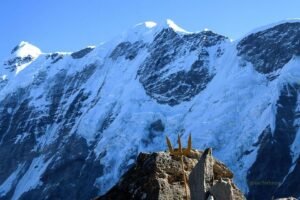
The Roopkund Trek is packed with unforgettable experiences from beginning to end.
Skeleton Lake (Roopkund Lake)
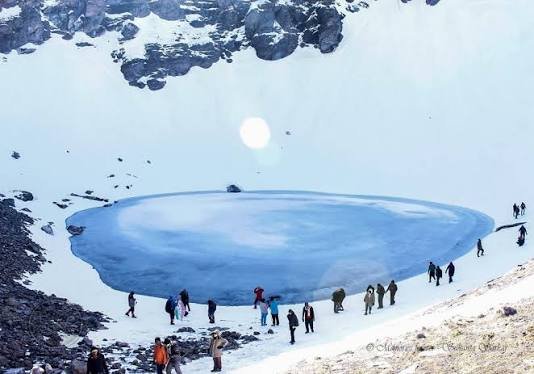
The biggest attraction is undoubtedly Roopkund Lake, popularly known as Skeleton Lake. The lake is surrounded by hundreds of ancient human skeletons, making it one of the world’s most mysterious archaeological sites.
Ali Bugyal
Ali Bugyal is among the largest alpine meadows in Asia. During summer, the rolling green landscapes are covered with wildflowers, creating one of the most scenic trekking trails in Uttarakhand.
Bedni Bugyal
Bedni Bugyal is another spectacular meadow known for its peaceful atmosphere, the sacred Bedni Kund, and magnificent views of Mt. Trishul and Nanda Ghunti.
Himalayan Peaks
Throughout the trek, you’ll enjoy panoramic views of several iconic Himalayan mountains, including:
- Mt. Trishul (7,120 m)
- Nanda Ghunti (6,309 m)
- Chaukhamba
- Neelkanth
- Hathi-Ghoda Peaks
Forest Trails
The lower sections of the trek pass through beautiful forests of:
- Oak
- Rhododendron
- Maple
- Birch
During spring, the rhododendron forests bloom in vibrant shades of red and pink.
Roopkund Trek Quick Information
|
Particular |
Details |
|
Trek Duration |
8 Days / 7 Nights |
|
Trek Distance |
Approx. 55 km |
|
Maximum Altitude |
5,020 m (16,470 ft) |
|
Trek Difficulty |
Moderate to Difficult |
|
Trek Region |
Chamoli, Uttarakhand |
|
Base Camp |
Lohajung |
|
Starting Point |
Rishikesh |
|
Best Season |
May–June & September–October (subject to permissions) |
|
Accommodation |
Guesthouse & Camps |
|
Nearest Airport |
Jolly Grant Airport, Dehradun |
|
Nearest Railway Station |
Dehradun |

Roopkund Trek Route
The classic Roopkund Trek Route starts from Rishikesh and heads towards Lohajung, the base camp of the trek. From there, the trail gradually ascends through charming Himalayan villages, dense forests, vast alpine meadows, and rugged mountain terrain before reaching the legendary Skeleton Lake.
Route Overview
Rishikesh
↓
Lohajung
↓
Didina Village
↓
Ali Bugyal
↓
Bedni Bugyal
↓
Patar Nachauni
↓
Kalu Vinayak
↓
Bhagwabasa (Roopkund Base)
↓
Roopkund Lake
↓
Junargali View Point
↓
Return via Patar Nachauni / Bedni Bugyal
↓
Wan Village
↓
Lohajung
↓
Rishikesh
This route showcases the incredible diversity of the Garhwal Himalayas—from lush forests and alpine grasslands to rocky mountain passes and glacial landscapes.
Roopkund Trek Itinerary (8 Days)
Day 1: Rishikesh → Lohajung
Drive Distance: Approx. 250–270 km
Drive Time: 9–10 Hours
Altitude: 2,300 m (7,546 ft)
Your adventure begins with an early morning drive from Rishikesh to Lohajung, the gateway to the Roopkund Trek. The scenic route passes through Devprayag, Srinagar, Karnaprayag, and Gwaldam, offering spectacular views of Himalayan rivers, mountain roads, and traditional villages.
Upon arrival, check in to your guesthouse, meet your trek leader, attend the briefing session, and prepare for the journey ahead.
Highlights
- Scenic Himalayan drive
- River confluences
- Mountain villages
- Overnight stay in Lohajung
Day 2: Lohajung → Didina Village
Distance: Approx. 8–9 km
Duration: 5–6 Hours
The trek officially begins today. Walk through beautiful oak and rhododendron forests before crossing the Neel Ganga valley and climbing to the peaceful village of Didina.
The traditional stone houses, friendly locals, and tranquil surroundings offer an authentic Himalayan experience while allowing your body to acclimatize.
Highlights
- Oak & Rhododendron Forests
- Neel Ganga Crossing
- Traditional Garhwali Village
- Local Hospitality
Day 3: Didina Village → Ali Bugyal
Distance: Approx. 11–12 km
Duration: 6–7 Hours
Today’s trail gradually climbs through forests before opening into the breathtaking Ali Bugyal, one of the largest alpine meadows in Asia.
The vast green grasslands, colorful wildflowers, grazing horses, and panoramic mountain views make this one of the most beautiful days of the trek.
Spend the evening watching the sunset over Mt. Trishul and Nanda Ghunti.
Highlights
- Ali Bugyal
- Alpine Meadows
- Himalayan Views
- Sunset Photography
Day 4: Ali Bugyal → Bedni Bugyal → Patar Nachauni
Distance: Approx. 9–10 km
Duration: 5–6 Hours
Today’s trail crosses the magnificent Bedni Bugyal, another famous Himalayan meadow. Visit the sacred Bedni Kund and enjoy uninterrupted views of Mt. Trishul before continuing towards Patar Nachauni, a campsite associated with local folklore.
As the altitude increases, the scenery becomes increasingly dramatic, with rolling meadows giving way to rugged mountain terrain.
Highlights
- Bedni Bugyal
- Bedni Kund
- Nanda Devi Temple
- Trishul Peak
- High-Altitude Camp
Day 5: Patar Nachauni → Kalu Vinayak → Bhagwabasa (Roopkund Base)
Distance: Approx. 6–7 km
Duration: 5–6 Hours
Today’s climb takes you above the tree line to Kalu Vinayak Temple, dedicated to Lord Ganesha and considered one of the highest temples in the region.
From here, continue over rocky trails to Bhagwabasa, the traditional base camp for the Roopkund summit attempt. The campsite offers stunning views of glaciers and surrounding Himalayan peaks.
Highlights
- Kalu Vinayak Temple
- Rocky Mountain Trail
- Roopkund Base Camp
- Glacier Views
Day 6: Bhagwabasa → Roopkund Lake → Junargali View Point → Patar Nachauni / Bedni Bugyal
Distance: Approx. 12–14 km
Duration: 8–10 Hours
Maximum Altitude: 5,020 m (16,470 ft)
Start before sunrise for the most exciting day of the trek. The steep ascent leads to the legendary Roopkund Lake, famously known as Skeleton Lake because of the centuries-old human skeletons found around its shores.
Depending on weather conditions and permissions, continue to Junargali View Point, where you’ll be rewarded with panoramic views of Trishul, Nanda Ghunti, Chaukhamba, and several other Himalayan peaks.
After spending time at the summit, descend carefully to Patar Nachauni or Bedni Bugyal for the night.
Highlights
- Roopkund Lake
- Skeleton Lake
- Junargali View Point
- Snowfields
- Spectacular Himalayan Views
Day 7: Patar Nachauni / Bedni Bugyal → Wan Village → Lohajung
Distance: Approx. 14–16 km Trek + Drive to Lohajung
Descend through alpine meadows, dense forests, and shepherd trails to Wan Village, one of the oldest villages in the Garhwal Himalayas. From Wan, drive back to Lohajung and celebrate the successful completion of your trek.
Highlights
- Forest Descent
- Traditional Villages
- Wan Village
- Return to Lohajung
Day 8: Lohajung → Rishikesh
Drive Distance: Approx. 250–270 km
Drive Time: 9–10 Hours
After breakfast, begin your return journey to Rishikesh. As you leave the mountains behind, you’ll carry unforgettable memories of the Himalayan landscapes, alpine meadows, ancient legends, and the mysterious Skeleton Lake.
This marks the end of an incredible Roopkund Trek experience.
Highlights
- Scenic Return Drive
- River Valleys
- Mountain Landscapes
- End of the Trek
Roopkund Trek Cost, Best Time, Weather, Difficulty, Fitness & Packing List (2026)
Planning the Roopkund Trek requires more than just booking a package. Understanding the trek cost, choosing the right season, preparing for high-altitude conditions, and carrying the right equipment are essential for a safe and enjoyable Himalayan adventure. This section covers everything you need to know before starting your trek.
Roopkund Trek Cost 2026
The Roopkund Trek Package typically costs between ₹16,000 and ₹20,000 per person, depending on the trekking operator, group size, inclusions, and trekking season.
Apart from the package price, trekkers should also keep a budget for transportation, gear rental, and personal expenses.
Estimated Roopkund Trek Budget
|
Expense |
Approx. Cost |
|
Roopkund Trek Package |
₹16,000 – ₹20,000 |
|
Rishikesh to Lohajung Transport (Round Trip) |
₹2,500 – ₹3,000 |
|
Trek Gear Rental (Optional) |
₹1,000 – ₹2,500 |
|
Personal Expenses |
₹1,000 – ₹2,000 |
|
Emergency / Buffer Amount |
₹2,000 |
Estimated Total Budget
The overall budget for the Roopkund Trek generally ranges between ₹22,000 and ₹30,000 per person, depending on transportation, gear rentals, and personal spending.
Note: Package prices may vary based on the season, group size, and forest permit charges.
Roopkund Trek Package Inclusions
A standard Roopkund Trek Package generally includes everything required for a comfortable trekking experience from Rishikesh to Rishikesh.
Package Includes
- Pickup & Drop from Rishikesh
- Transportation (Rishikesh – Lohajung – Rishikesh)
- Guesthouse Accommodation at Lohajung
- Camping Accommodation During the Trek
- Twin/Triple Sharing Tents
- Sleeping Bags
- Sleeping Mats
- Nutritious Vegetarian Meals During the Trek
- Morning Tea & Breakfast
- Lunch
- Evening Snacks
- Dinner
- Certified Trek Leader
- Experienced Local Guide
- Cook & Support Staff
- Forest Entry Permits
- Camping Charges
- First Aid Medical Kit
- Oxygen Cylinder for Emergency
- Gaiters & Microspikes (When Required)
Package Exclusions
The following expenses are usually not included:
- Backpack Rental
- Trekking Shoes
- Personal Porter
- Mule Charges
- Travel Insurance
- Personal Medicines
- Mineral Water
- Personal Snacks
- Emergency Evacuation
- Expenses due to Bad Weather
- Expenses caused by Road Blockage
- Anything not mentioned in the Inclusion Section
Best Time to Visit Roopkund Trek
Choosing the right season significantly enhances your trekking experience. The Roopkund region offers different landscapes throughout the year, but the most suitable trekking windows are generally summer and autumn, subject to current permissions and weather conditions.
Summer (May – June)
Summer is one of the most popular seasons for the Roopkund Trek. Snow begins to melt, revealing lush alpine meadows filled with wildflowers. The weather remains pleasant during the day, while nights are cool and comfortable.
Highlights
- Pleasant daytime temperatures
- Snow patches on higher sections
- Blooming Rhododendron forests
- Crystal-clear mountain views
- Comfortable trekking conditions
Monsoon (July – August)
Monsoon is generally not recommended due to heavy rainfall.
Trails become slippery, rivers swell, and landslides are more common, making trekking risky.
Highlights
- Heavy Rainfall
- Slippery Trails
- Poor Visibility
- Landslide Risk
Autumn (September – October)
Autumn is another excellent season for the Roopkund Trek.
The skies are usually clear after the monsoon, offering spectacular mountain views and ideal photography opportunities.
Highlights
- Stable Weather
- Clear Himalayan Views
- Cool Temperatures
- Golden Alpine Meadows
- Excellent Photography
Winter (November – April)
Winter transforms the region into a snowy paradise. However, heavy snowfall and extreme cold make the higher sections challenging, and accessibility depends on weather conditions and official permissions.
Highlights
- Heavy Snowfall
- Frozen Landscapes
- Extremely Cold Temperatures
- Challenging Trekking Conditions
Month-wise Weather Guide
|
Month |
Temperature |
Conditions |
|
January |
-12°C to -2°C |
Heavy Snowfall |
|
February |
-10°C to 0°C |
Snow Covered |
|
March |
-5°C to 5°C |
Cold with Snow |
|
April |
0°C to 8°C |
Snow Melting |
|
May |
3°C to 12°C |
Pleasant |
|
June |
5°C to 15°C |
Best Season |
|
July |
8°C to 16°C |
Rainy |
|
August |
8°C to 15°C |
Heavy Rain |
|
September |
4°C to 12°C |
Clear Weather |
|
October |
-2°C to 10°C |
Cool & Clear |
|
November |
-8°C to 5°C |
Snow Begins |
|
December |
-10°C to 2°C |
Heavy Snow |
Roopkund Trek Difficulty
The Roopkund Trek is considered a Moderate to Difficult trek due to its high altitude, long trekking days, and steep mountain trails. Trekkers need good stamina and proper preparation to complete the journey comfortably.
Why is the Trek Challenging?
- Maximum Altitude of 5,020 meters (16,470 ft)
- Continuous Ascents and Descents
- Rocky Terrain
- Snow-covered Sections (Seasonal)
- Thin Air at High Altitude
- Cold Weather
- Long Trekking Hours
Although beginners with good fitness can attempt the trek, regular physical preparation is highly recommended.
Fitness Preparation
Start preparing at least 6–8 weeks before your trek.
Cardio Training
Improve your stamina with:
- Running
- Jogging
- Cycling
- Swimming
- Stair Climbing
Aim to comfortably run 5 km in 35–40 minutes without taking long breaks.
Strength Training
Build lower-body and core strength through:
- Squats
- Lunges
- Step-ups
- Push-ups
- Planks
- Core Workouts
Strong muscles reduce fatigue during long ascents and descents.
Endurance Training
Go for weekend hikes while carrying a backpack weighing 8–10 kg. This helps your body adapt to long trekking days.
Flexibility
Stretch daily or practice yoga to improve balance, mobility, and recovery while reducing the risk of injury.
Altitude Sickness (AMS)
Since the Roopkund Trek reaches over 5,000 meters, trekkers should be aware of Acute Mountain Sickness (AMS).
Common Symptoms
- Headache
- Dizziness
- Nausea
- Fatigue
- Loss of Appetite
- Difficulty Sleeping
- Shortness of Breath
Prevention Tips
- Walk slowly and steadily.
- Stay well hydrated.
- Eat nutritious meals.
- Avoid alcohol and smoking.
- Follow your trek leader’s advice.
- Inform your guide immediately if symptoms worsen.
Roopkund Trek Packing List
Carrying the right gear is essential for staying warm, dry, and comfortable throughout the trek.
Clothing
- Down Jacket
- Fleece Jacket
- Thermal Innerwear (Upper & Lower)
- Full-Sleeve Quick-Dry T-Shirts (2–3)
- Trek Pants (2 Pairs)
- Waterproof Poncho or Rain Jacket
- Waterproof Rain Cover for Backpack
- Woollen Cap
- Sun Cap
- Neck Gaiter / Buff
- Waterproof Gloves
- Fleece Gloves
Footwear
- Waterproof Trekking Shoes with Good Grip
- Camp Shoes or Floaters
- Woollen Socks (3–4 Pairs)
- Sports Socks (2–3 Pairs)
Trekking Gear
- 50–60 L Backpack
- Day Pack (Optional)
- Trekking Pole
- Headlamp or Head Torch
- Two Water Bottles (2 Litres Total)
- UV-Protected Sunglasses
- Dry Bags or Zip-Lock Bags
Personal Essentials
- Sunscreen (SPF 50+)
- Lip Balm
- Moisturizer
- Toothbrush & Toothpaste
- Hand Sanitizer
- Wet Wipes
- Toilet Paper
- Personal Toiletries
- Personal Medicines
Electronics
- Mobile Phone
- Charger
- Power Bank (10,000–20,000 mAh)
- Camera (Optional)
- Extra Batteries
- Charging Cables
Important Documents
Carry both physical and digital copies of:
- Government-issued Photo ID
- Trek Booking Confirmation
- Medical Fitness Certificate (if required)
- Emergency Contact Information
Pro Packing Tips
- Pack your belongings in waterproof dry bags to protect them from rain and snow.
- Keep heavy items close to your back for better balance.
- Carry only essential gear to avoid unnecessary weight.
- Always keep your rain gear, water bottle, snacks, and headlamp easily accessible.
- Break in your trekking shoes before the trek to prevent blisters.
How to Reach Roopkund Trek
The journey to the Roopkund Trek begins from Rishikesh, which serves as the common pickup point for most trekking operators. From Rishikesh, a scenic drive through the Garhwal Himalayas takes you to Lohajung, the traditional base camp of the Roopkund Trek.
Lohajung is well connected by road with Dehradun, Rishikesh, Haridwar, Kathgodam, and Haldwani.
By Air
The nearest airport is Jolly Grant Airport, Dehradun, located approximately 270 km from Lohajung.
After arriving at the airport, you can travel to Rishikesh by taxi and join your trek transport to Lohajung.
By Train
The nearest major railway stations are:
- Rishikesh Railway Station
- Haridwar Railway Station
- Dehradun Railway Station
Most trekkers prefer arriving at Rishikesh one day before the trek begins.
By Road
Rishikesh is well connected by road with Delhi, Chandigarh, Dehradun, Haridwar, Jaipur, and other major North Indian cities.
From Rishikesh, the drive to Lohajung takes around 9–10 hours, passing through:
- Devprayag
- Srinagar
- Karnaprayag
- Gwaldam
- Dewal
The drive itself is one of the highlights of the journey, offering spectacular views of Himalayan rivers and mountain landscapes.
Accommodation During the Trek
Accommodation on the Roopkund Trek is simple, comfortable, and designed for high-altitude trekking.
At Lohajung
Trekkers stay in:
- Guesthouses
- Homestays
- Lodges
Rooms are generally provided on twin or triple sharing basis with basic amenities.
During the Trek
Accommodation consists of alpine camping.
Facilities include:
- Twin Sharing Tents
- Triple Sharing Tents
- Sleeping Bags
- Sleeping Mats
- Dining Tent
- Toilet Tent
All camping equipment is provided by the trekking operator.
Food During the Roopkund Trek
Nutritious food is extremely important during a high-altitude trek.
Fresh vegetarian meals are prepared by the kitchen team every day.
Typical Menu
Breakfast
- Poha
- Upma
- Porridge
- Bread & Butter
- Omelette (where applicable)
- Tea & Coffee
Lunch
- Rice
- Dal
- Seasonal Vegetables
- Chapati
- Pickle
- Salad
Evening Snacks
- Soup
- Tea
- Coffee
- Biscuits
- Pakoras (depending on weather)
Dinner
- Rice
- Dal
- Chapati
- Vegetable Curry
- Dessert (occasionally)
Fresh drinking water is available throughout the trek after purification.
Permits Required for Roopkund Trek
The Roopkund region falls under a protected Himalayan ecosystem, and trekking is subject to applicable rules and permissions.
Generally, trekking operators arrange:
- Forest Entry Permit
- Camping Permission
- Environmental Fees
- Local Administration Formalities
Trekkers should always carry:
- Original Government ID
- Passport (Foreign Nationals)
- Passport-sized Photographs
- Medical Fitness Certificate (if required)
Responsible Trekking Guidelines
The Himalayas are ecologically sensitive. Every trekker has a responsibility to help preserve this unique environment.
Follow these simple practices:
- Carry back all non-biodegradable waste.
- Avoid single-use plastic.
- Stay on designated trekking trails.
- Respect local customs and traditions.
- Do not disturb wildlife.
- Avoid loud music in the mountains.
- Use water responsibly.
- Leave campsites clean.
Responsible trekking ensures these beautiful landscapes remain protected for future generations.
The Mystery of Roopkund Skeleton Lake
Roopkund Lake, often called Skeleton Lake, is one of the world’s most intriguing archaeological sites. The lake became famous after hundreds of ancient human skeletons were discovered around its shores.
Scientific studies suggest that many of these remains date back nearly 1,000 years, while some may belong to different historical periods. One widely accepted theory is that a group of travelers or pilgrims was caught in an extreme hailstorm, though ongoing research indicates the site’s history is more complex.
Combined with local folklore and the region’s connection to the Nanda Devi Raj Jat Yatra, the mystery continues to attract historians, scientists, and adventure enthusiasts from around the world.
Essential Safety Tips
To ensure a safe and enjoyable trek:
- Train for at least 6–8 weeks before departure.
- Wear well-fitted trekking shoes.
- Drink 3–4 litres of water daily.
- Carry extra warm clothing.
- Follow your trek leader’s instructions.
- Do not ignore symptoms of altitude sickness.
- Walk at a steady pace.
- Avoid alcohol and smoking during the trek.
- Keep your backpack light.
- Always carry a headlamp and rain gear.

Frequently Asked Questions (FAQs)
Is the Roopkund Trek suitable for beginners?
Yes, fit beginners with good stamina and proper preparation can complete the trek under experienced guides.
What is the maximum altitude of the Roopkund Trek?
The trek reaches approximately 5,020 metres (16,470 ft).
How many days does the Roopkund Trek take?
The standard itinerary is 8 Days / 7 Nights, including travel from and back to Rishikesh.
What is the total trekking distance?
The total trekking distance is approximately 55 km, depending on the route and campsite locations.
What is the best time for the Roopkund Trek?
The best trekking seasons are May–June and September–October, subject to government permissions and weather conditions.
Is camping equipment included in the package?
Yes. Most packages include tents, sleeping bags, sleeping mats, dining tents, and other common camping equipment.
Do I need prior trekking experience?
Previous trekking experience is helpful but not mandatory. Good physical fitness and preparation are essential.
Can I rent trekking gear?
Yes. Backpacks, trekking poles, jackets, gaiters, microspikes, and sleeping bags can usually be rented from Rishikesh or Lohajung.
Is mobile network available?
Mobile connectivity is generally available in Lohajung, but becomes weak or unavailable once the trek begins.
Is altitude sickness common?
Some trekkers may experience mild symptoms due to the high altitude. Proper acclimatization, hydration, and following your trek leader’s guidance significantly reduce the risk.
Conclusion
The Roopkund Trek is much more than a high-altitude adventure—it’s a journey through some of the most breathtaking landscapes in the Indian Himalayas. From the charming villages of Lohajung and Didina to the sweeping meadows of Ali Bugyal and Bedni Bugyal, every step offers unforgettable views and experiences.
The highlight of the trek remains the mysterious Roopkund Lake, where history, legend, and natural beauty come together in a truly unique setting. Whether you’re drawn by the Skeleton Lake mystery, the panoramic mountain scenery, or the challenge of trekking above 5,000 metres, Roopkund promises an experience unlike any other.
Before planning your trip, always check the latest trekking permissions and environmental regulations, prepare physically, pack the right gear, and choose a responsible trekking operator. With proper planning and respect for the fragile Himalayan ecosystem, your Roopkund Trek can become one of the most memorable adventures of your life.