

Roopkund Trek Reopens in 2026? Latest Update, Route Status & Everything You Need to Know

Roopkund Trek Reopens in 2026: A New Chapter Begins
For almost eight years, one question has been asked by trekkers across India:
“Is the Roopkund Trek open again?”
If you’ve been searching for Roopkund Trek Reopens in 2026, Roopkund Trek Latest Update, Roopkund Route Status, or whether the Roopkund Trek is open, you’re not alone. Every trekking season, thousands of adventure enthusiasts look for the latest news about one of India’s most famous Himalayan treks.
Roopkund, popularly known as the Skeleton Lake Trek, is one of the most iconic trekking destinations in Uttarakhand. Situated at an altitude of around 5,020 metres (16,470 feet), this legendary lake is famous for the hundreds of ancient human skeletons discovered around its shores. Combined with breathtaking Himalayan landscapes, vast alpine meadows, and a fascinating history, the Roopkund Trek Uttarakhand has remained a dream destination for trekkers from India and around the world.
After years of uncertainty, July 2026 brought a significant legal development that once again put Roopkund in the spotlight. While social media is full of posts claiming that the trek has completely reopened, it’s important to understand what has actually changed and what it means for trekkers.
This blog explains the Roopkund Trek 2026 latest update in simple language so you can understand the current situation before planning your adventure.
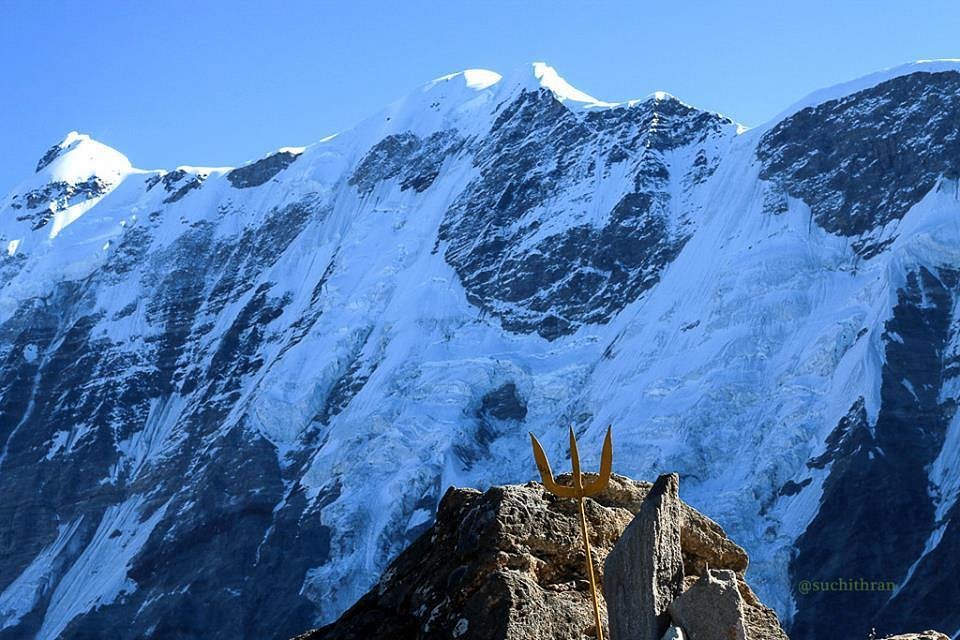

Why Was the Roopkund Trek Closed?
To understand today’s situation, we first need to go back to 2018.
The Bugyals (high-altitude alpine meadows) of Uttarakhand are among the most delicate ecosystems in the Himalayas. Over the years, increasing tourism, camping, littering, and human activity raised concerns about environmental damage.
To protect these fragile landscapes, the Uttarakhand High Court issued several directions in 2018. These directions significantly affected trekking activities in Bugyals, including the traditional Roopkund Trek route.
As camping in Bugyals became highly restricted, trekking companies were no longer able to operate the classic Roopkund Trek itinerary in the same way. Since then, thousands of trekkers have been waiting for updates on whether the trek would ever return.
For local communities in Lohajung, Wan, Didna, and nearby villages, the impact was equally significant. Trekking is a major source of livelihood, supporting guides, porters, mule owners, drivers, homestays, cooks, and many small local businesses.
What Changed in 2026?
A major legal development took place in July 2026.
The Supreme Court of India, through its order dated 20 July 2026, set aside three earlier directions connected with the conservation restrictions on Uttarakhand’s high-altitude Bugyals. These included the fixed 200-person visitor limit, the blanket restriction on overnight stays, and the direction concerning consideration of Bugyals as National Parks or wildlife sanctuaries.
Following the order, the Badrinath Forest Division issued compliance instructions regarding the changes.
This development has renewed hope for trekking communities across Uttarakhand and has created fresh interest in the Roopkund Trek reopening 2026.
For trekkers, the most important change is the removal of the blanket restriction on overnight stays in Bugyals. This makes camping-based trekking itineraries possible again, although it does not mean that the region is open for unrestricted camping or tourism.
Is the Roopkund Trek Fully Open in 2026?
This is the question everyone wants answered.
The recent legal development is certainly positive and has reopened discussions about the future of Roopkund. However, trekkers should not assume that every part of the traditional route can be used without conditions.
The Supreme Court set aside specific restrictions, while other environmental protection directions continue to remain in force.
Therefore, if you’re planning the Roopkund Trek 2026, make sure you verify the latest operational requirements before starting your journey.
Before booking your trek, always check:
-
Current Roopkund Trek route status
-
Forest Department permissions
-
Latest trekking guidelines
-
Weather conditions
-
Safety advisories
-
Approved camping arrangements
-
Applicable Roopkund Trek permit requirements
Staying informed helps ensure both your safety and the protection of the Himalayan environment.
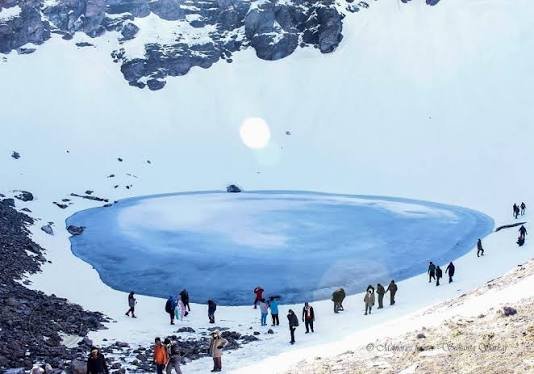

Why Is Roopkund So Famous?
Roopkund is unlike any other trek in India. Its biggest attraction is the mysterious Skeleton Lake, where hundreds of ancient human skeletons become visible when the snow melts.
Scientists have studied these remains for years, while local folklore links them to the blessings and wrath of Goddess Nanda Devi. This unique combination of science, history, and mythology has made Roopkund famous across the world.
But the journey itself is equally unforgettable.
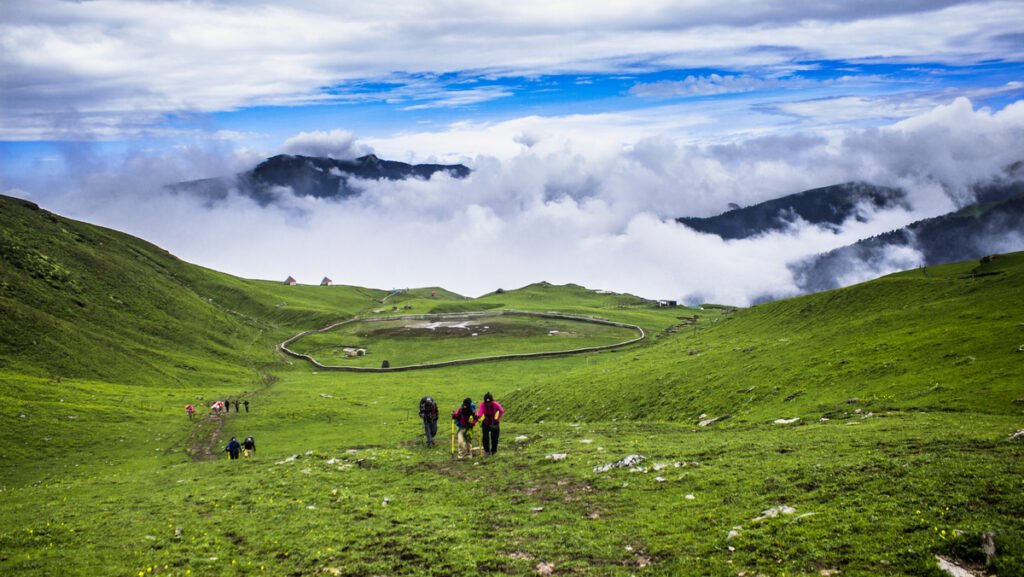
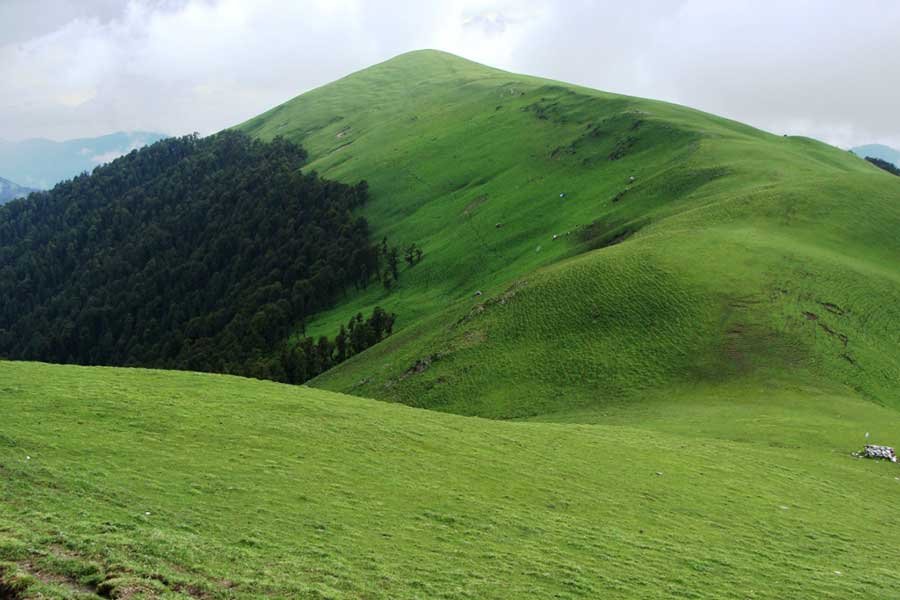
The Roopkund Trek route passes through beautiful forests, traditional Himalayan villages, and the stunning alpine meadows of Ali Bugyal and Bedni Bugyal, often considered among the most beautiful high-altitude meadows in the region.
Throughout the trek, trekkers enjoy magnificent views of Mt. Trishul, Nanda Ghunti, Chaukhamba, and many other Himalayan peaks.
For adventure lovers looking for a challenging Himalayan experience, the Roopkund Trek difficulty is an important factor to consider. The high altitude, long trekking days, steep sections, and changing mountain weather make proper preparation essential.
Roopkund Trek From Lohajung
One of the most common starting points for the classic route is Lohajung in Chamoli district.
The Roopkund Trek from Lohajung takes trekkers through some of Uttarakhand’s most spectacular landscapes, including forest trails, alpine meadows, and high-altitude terrain.
Lohajung is also important for the local trekking economy. Guides, porters, homestays, transport providers, mule operators, and other local businesses depend heavily on trekking activity in the region.
With the Roopkund Trek reopening in 2026, renewed trekking activity could bring new opportunities to these mountain communities.
Why This Update Matters for Local Communities
For the people of Lohajung and surrounding villages, trekking is much more than tourism.
It creates employment for local families through guiding, portering, transportation, camping, food services, mule operations, and homestays. Many young people in the region have built careers around adventure tourism.
The latest legal developments have therefore brought renewed optimism to the local economy.
Responsible tourism not only benefits trekkers but also helps mountain communities preserve their traditions while creating sustainable livelihoods.
Responsible Trekking Is the Need of the Hour
The Himalayas are beautiful but extremely fragile. Every visitor has a responsibility to protect them.
If the Roopkund Trek Reopens in 2026 with regular trekking activity, responsible tourism will be more important than ever.
If You Plan to Visit Roopkund, Remember To:
-
Carry back all your waste.
-
Avoid single-use plastic.
-
Respect local customs and traditions.
-
Stay on designated trekking trails.
-
Follow Forest Department rules.
-
Trek with experienced local guides.
-
Follow approved camping and waste-management guidelines.
-
Leave the mountains cleaner than you found them.
Responsible trekking ensures that future generations can continue to enjoy these breathtaking landscapes.
Why Choose a Local Trek Operator?
Choosing a local trekking operator offers several advantages.
Local teams know the terrain, weather patterns, and emergency procedures better than anyone else. They also understand local culture and environmental conditions, making your experience safer and more authentic.
Most importantly, booking with a local operator directly

supports the people who have lived and worked around these mountains for generations.
If you’re planning a Roopkund Trek itinerary, working with an experienced local team can also help with route planning, logistics, permits, accommodation, transportation, and safety arrangements.
What Should Trekkers Do Now?
If you’re planning the Roopkund Trek 2026, don’t rely only on social media posts or viral videos.
The reopening is a significant development, but trekking regulations and operational arrangements should always be checked before departure.
Always verify:
-
Official route updates
-
Forest permissions
-
Weather forecasts
-
Trek operator announcements
-
Safety requirements
-
Current camping guidelines
-
Permit and entry requirements
Planning responsibly will help you enjoy a memorable Himalayan adventure while respecting nature.
Roopkund Trek Best Time to Visit
The Roopkund Trek best time depends on route conditions, weather, permissions, and the operational trekking season.
Traditionally, the trek has been associated with the pre-monsoon and post-monsoon trekking windows, but conditions at high altitude can change quickly.
For the 2026 season, trekkers should confirm the latest route and weather conditions before finalising their travel dates rather than relying only on information from previous years.
This is particularly important because the Roopkund Trek 2026 reopening follows several years of restricted trekking activity.

Final Thoughts
The Roopkund Trek Reopens in 2026 update marks an important moment for the Indian trekking community.
After years of uncertainty, the Supreme Court’s July 2026 decision has removed key restrictions that had prevented traditional camping-based trekking in the Bugyal region. At the same time, environmental protection measures remain important and must continue to be followed.
If Roopkund has always been on your bucket list, this is the right time to stay informed, follow official updates, and prepare for an unforgettable Himalayan journey.
The mountains have always been there.
And once again, Roopkund is calling.