Person
Rudranath Temple is opening on 18th May 2025.
Rudranath Temple will close on 17th October 2025
18 May 2025
24 May 2025
31 May 2025
5 Days
20

✅ Sacred Shiva Temple – One of the Panch Kedar temples, dedicated to Lord Shiva’s face.
✅ Altitude – Located at 3,600 meters (11,800 ft) amidst stunning Himalayan landscapes.
✅ Panoramic Himalayan Views – Offers breathtaking views of Nanda Devi, Trishul, and Nanda Ghunti peaks.
✅ Scenic & Challenging Trek – Passes through dense forests, alpine meadows, and remote villages.
✅ Diverse Trekking Routes – Can be reached via Sagar, Mandal, and Anusuya Devi Temple routes.
✅ Spiritual & Peaceful Environment – A serene and less crowded pilgrimage compared to Kedarnath and Tungnath.
✅ Rich Flora & Fauna – Home to Himalayan Monal, musk deer, and rare medicinal herbs.
✅ Ideal for Offbeat Trekkers – A great choice for those seeking solitude and spiritual connection.
✅ Mythological Significance – Believed to be the place where Shiva’s face appeared after he vanished at Kedarnath.
✅ Camping & Village Stay – Experience local Garhwali culture while trekking through Sagar, Panar, and Lyuti Bugyal.
Distance: 250 km 🕒 Duration: 9-10 hours 🚗 Mode: Private vehicle/shared taxi
Start early from Rishikesh and drive through scenic landscapes of Devprayag, Rudraprayag, and Karnaprayag, witnessing the confluence of holy rivers.
Pass through Chamoli and Gopeshwar, the last major towns before Sagar village.
Enjoy the breathtaking views of the Garhwal Himalayas, dense forests, and river valleys along the way.
Reach Sagar Village (2,200m), the base for the Rudranath trek.
Overnight stay in a homestay/guesthouse in Sagar.
🥾 Distance: 12 km ⏳ Duration: 6-7 hours
🏔️ Altitude Gain: 2,200m (Sagar) ➝ 3,500m (Panar Bugyal)
Start early from Sagar Village, following a well-defined but steep trail.
Pass through dense oak, rhododendron, and deodar forests, offering a mix of shade and open patches.
En route, cross Pung Bugyal, a small meadow, and Litti Bugyal, known for its beautiful camping spots.
The final stretch is a steep ascent to Panar Bugyal (3,500m)—a vast, scenic alpine meadow with breathtaking sunset views over Nanda Devi, Trishul, and Nanda Ghunti peaks.
Set up camp or stay in basic shelters/lodges at Panar.
Enjoy a starry night in the peaceful Himalayan surroundings.
Distance: 10 km ⏳ Duration: 5-6 hours
🏔️ Altitude Gain: 3,500m (Panar) ➝ 3,600m (Rudranath)
Begin the trek early from Panar Bugyal, enjoying the golden sunrise over Himalayan peaks.
The trail gradually ascends through Lyuti Bugyal, a mesmerizing meadow offering panoramic views of Nanda Devi, Trishul, and Hathi Parvat.
Cross Pitradhar (3,800m), a sacred ridge believed to be the gateway to the afterlife for ancestors.
Descend slightly through rocky trails and patches of high-altitude forests before reaching Rudranath Temple (3,600m).
Pay homage at the ancient Shiva temple, where Lord Shiva’s face is worshipped in a natural rock formation.
Explore nearby sacred sites like Suryakund, Chandra Kund, Tarakund, and Manaskund.
Overnight stay in basic dharamshala/lodges near the temple or camp under the stars.
Distance: 22 km ⏳ Duration: 8-9 hours
🏔️ Altitude Loss: 3,600m (Rudranath) ➝ 2,200m (Sagar)
Start early with morning prayers at Rudranath Temple and soak in the divine energy of the place.
Begin the descent through Pitradhar and Lyuti Bugyal, enjoying the mesmerizing views of the snow-capped Himalayas.
Continue through Panar Bugyal, taking a short break to admire the lush meadows and scenic landscapes.
Descend further through Litti Bugyal and dense rhododendron forests, retracing the path back to Sagar Village.
The final stretch can be tiring, so take short breaks at water streams and shaded spots.
Reach Sagar by late afternoon or evening and relax after the long trek.
Overnight stay in guesthouse/homestay in Sagar.
Distance: 250 km ⏳ Duration: 9-10 hours
Start early from Sagar Village, bidding farewell to the serene Himalayas.
Drive through Gopeshwar, Chamoli, Karnaprayag, and Rudraprayag, witnessing the picturesque river valleys and confluences of Alaknanda and Mandakini rivers.
Enjoy local Garhwali cuisine at roadside dhabas along the way.
Reach Rishikesh by evening, marking the end of a spiritual and adventurous journey.
Normally Go Adven India expect to carry your personal luggage on your own, if you wish to offload your backpack, you can give it to Mule.
Charges of offloading backpack:-
INR 2600/- Bag
The backpack cannot weight more than 11 kgs. Backpack should have waterproof cover. Suitcases/strolleys/ bags will not be allowed.
Location: Chamoli district, Uttarakhand
Altitude: 3,600 meters (11,800 feet)
Significance: Third temple in the Panch Kedar pilgrimage circuit
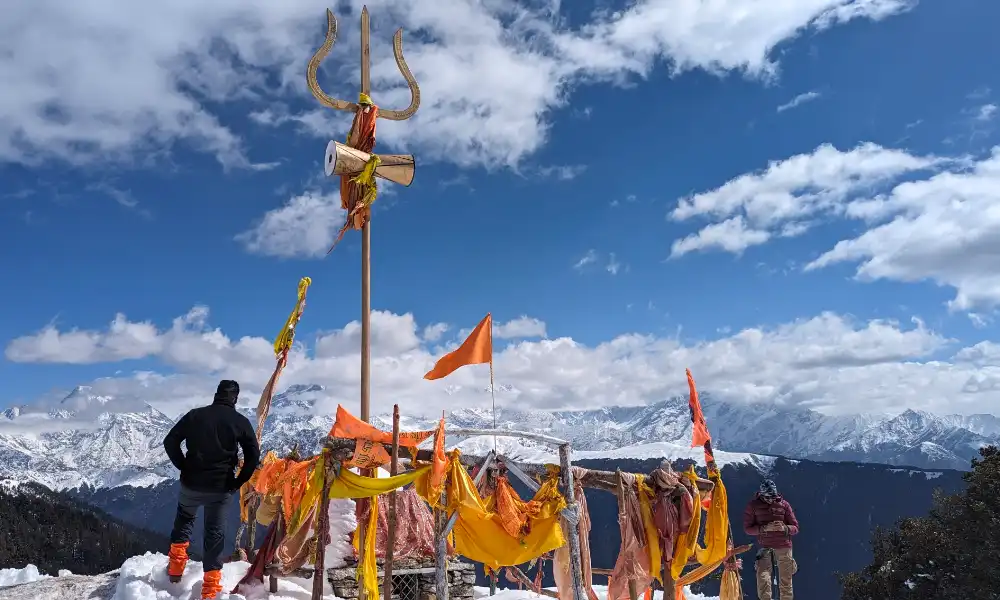
Rudranath Temple is an ancient rock temple dedicated to Lord Shiva, where his face is worshipped in a natural stone formation.
According to mythology, after the Mahabharata war, the Pandavas sought Lord Shiva's blessings for redemption. Shiva, avoiding them, took the form of a bull and disappeared into the Himalayas, leaving his body parts in different locations—his face appeared at Rudranath.
The temple is surrounded by sacred kunds (water pools)—Suryakund, Chandrakund, Tarakund, and Manaskund—believed to have divine healing properties.
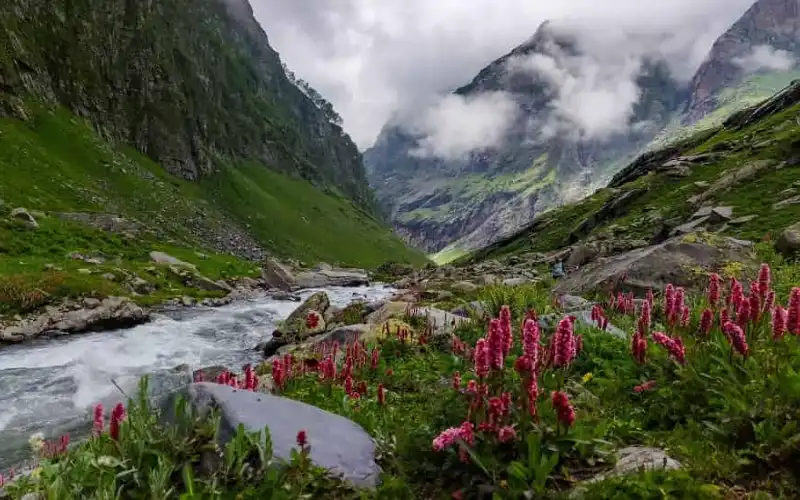
The temple is nestled amidst lush green meadows, alpine forests, and towering Himalayan peaks like Nanda Devi, Trishul, and Nanda Ghunti.
The trek to Rudranath is considered challenging yet rewarding, passing through Panar Bugyal, Lyuti Bugyal, and Pitradhar Ridge.
Unlike Kedarnath and Tungnath, Rudranath is less crowded, offering a peaceful and deeply spiritual experience.
📅 May to October – Ideal trekking months with clear skies and pleasant weather.
📅 Winter (November to April) – The temple remains covered in heavy snow, and the idol is shifted to Gopeshwar.
Rudranath is a remote pilgrimage site in Uttarakhand and can only be reached by trekking. Here’s the step-by-step guide:
🚉 By Train:
Nearest railway station: Rishikesh Railway Station (250 km from Rudranath).
Haridwar Railway Station (270 km) is another option with better connectivity.
✈️ By Air:
Nearest airport: Jolly Grant Airport, Dehradun (260 km).
From the airport, take a taxi to Rishikesh (20 km, 45 min).
🚗 By Road:
Direct buses and taxis are available from Delhi, Haridwar, and Dehradun to Rishikesh.
🚗 By Road:
Distance: 250 km 🕒 Time: 9-10 hours
Route: Rishikesh → Devprayag → Rudraprayag → Karnaprayag → Chamoli → Gopeshwar → Sagar Village
Transport: Shared taxis, private cabs, or buses available up to Gopeshwar or Sagar Village.
🥾 Trekking Routes:
Sagar Village → Rudranath (22 km trek) – Most popular and shortest route.
Mandal Village → Rudranath (24 km trek) – Gradual ascent, passing through Anusuya Devi Temple.
Urgam Village → Rudranath (18 km trek) – Scenic and less crowded route.
🕒 Trekking Duration:
Usually 2-3 days (depending on route and pace).
🌿 Trek Highlights:
Pass through dense forests, meadows, and ridges with stunning Himalayan views.
Stay at Panar Bugyal or Lyuti Bugyal before reaching Rudranath.
Dharamshalas and basic lodges available near the temple.
✅ May to October – Best trekking season with clear skies.
❄️ November to April – Heavy snowfall; temple idol shifts to Gopeshwar.
The ideal time to visit Rudranath Temple is between May and October, as the weather is pleasant and the trekking routes remain accessible.
✅ Temperature: 10°C to 20°C
✅ Why Visit?
Comfortable weather for trekking with clear skies.
Lush green landscapes, blooming rhododendrons, and scenic beauty.
The temple opens after winter, attracting pilgrims and trekkers.
⚠️ Temperature: 5°C to 15°C
⚠️ Why Avoid?
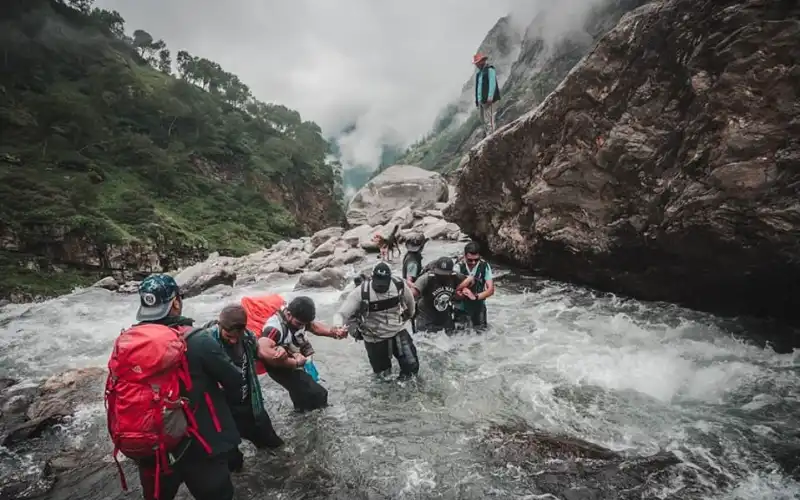
Heavy rainfall leads to landslides and slippery trails.
The route remains challenging and risky for trekking.
However, valleys turn greener, and the surroundings look magical.
✅ Temperature: 5°C to 15°C
✅ Why Visit?
Best time for clear mountain views and vibrant meadows.
The weather remains stable, making trekking comfortable.
Less crowded compared to peak summer months.
⚠️ Temperature: -10°C to 5°C
⚠️ Why Avoid?
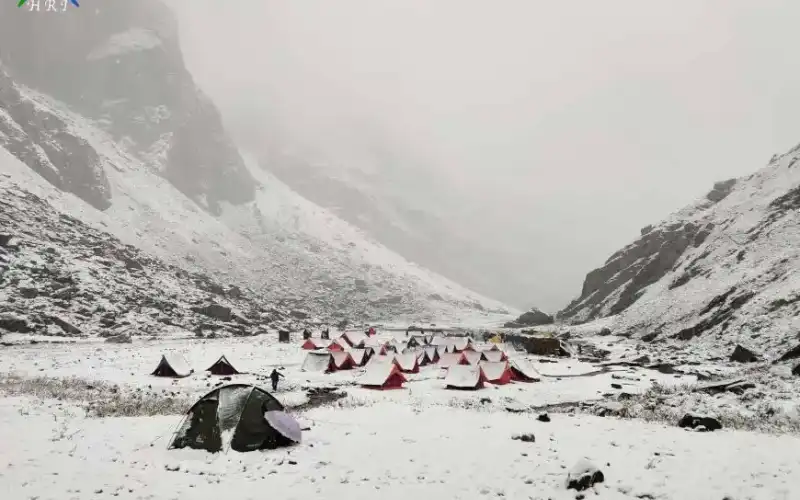
The temple gets covered in heavy snow, making the trek extremely difficult.
The idol is shifted to Gopeshwar Temple, and accommodation options are closed.
🔹 Best Months: May - June & September - October.
🔹 Avoid: Monsoon (July - August) and Winter (November - April).
The trekking distance to Rudranath Temple (3,600m) depends on the route you choose:
1️⃣ Sagar Village → Rudranath 🥾 22 km (Most Popular Route)
Starts from Sagar Village (2,200m), passing through Panar Bugyal and Pitradhar Ridge.
Steep and challenging but scenic.
2️⃣ Mandal Village → Rudranath 🥾 24 km
A gradual ascent via Anusuya Devi Temple.
Less steep compared to the Sagar route.
3️⃣ Urgam Village → Rudranath 🥾 18 km
Starts near Kalpeshwar Temple (one of the Panch Kedar).
A less crowded and serene trekking path.
🕒 2 to 3 days (depending on pace and route).
Day 1: Trek to Panar Bugyal (12 km) and stay overnight.
Day 2: Trek to Rudranath (10 km), return to Panar or stay near the temple.
Day 3: Trek back to Sagar or Mandal Village.
🥾 Trek Difficulty: Moderate to Difficult
⏳ Duration: 2-3 Days
📏 Distance: 18-24 km (depending on the route)
🏔️ Max Altitude: 3,600m (11,800 ft)
1️⃣ Steep & Strenuous Ascents
The trek involves long steep climbs, especially from Sagar Village to Panar Bugyal.
The final stretch near Rudranath Temple is a mix of rocky and forested trails.
2️⃣ High Altitude & Weather Challenges
Cold temperatures, especially at night.
Unpredictable weather – fog, rain, and strong winds are common.
3️⃣ Long Trekking Hours
Requires 6-8 hours of trekking per day, which can be exhausting for beginners.
Limited accommodation and food options along the way.
4️⃣ Remote & Offbeat Trail
Unlike Kedarnath or Tungnath, this trek is less commercialized, meaning fewer facilities.
No pony or palanquin services, so you must be physically fit to complete the trek.
✅ Recommended for Experienced Trekkers
If you’ve done moderate Himalayan treks like Kedarnath, Tungnath, or Roopkund, you can attempt Rudranath.
Good physical fitness & endurance are necessary.
⚠️ Not Ideal for Absolute Beginners
First-time trekkers may find it very challenging due to the steep terrain and long distances.
✔️ Train for Endurance – Start cardio, leg-strengthening exercises, and practice hiking before the trek.
✔️ Pack Light but Smart – Warm clothes, trekking poles, energy bars, and a rain cover.
✔️ Stay Hydrated & Acclimatize – Avoid altitude sickness by drinking plenty of water.
✔️ Start Early Each Day – To avoid bad weather and reach resting points on time.
From ₹13,500.00
Looking for more info? Send a question to our Rudranath Trek Expert to find out more.
Travel is my life. Since 1999, I have been traveling around the world nonstop. If you also love travel, you are in the right place!